

Apple bringing new video features to its podcasts platform
Weekly insights on the technology, production and business decisions shaping media and broadcast. Free to access. Independent coverage. Unsubscribe anytime.
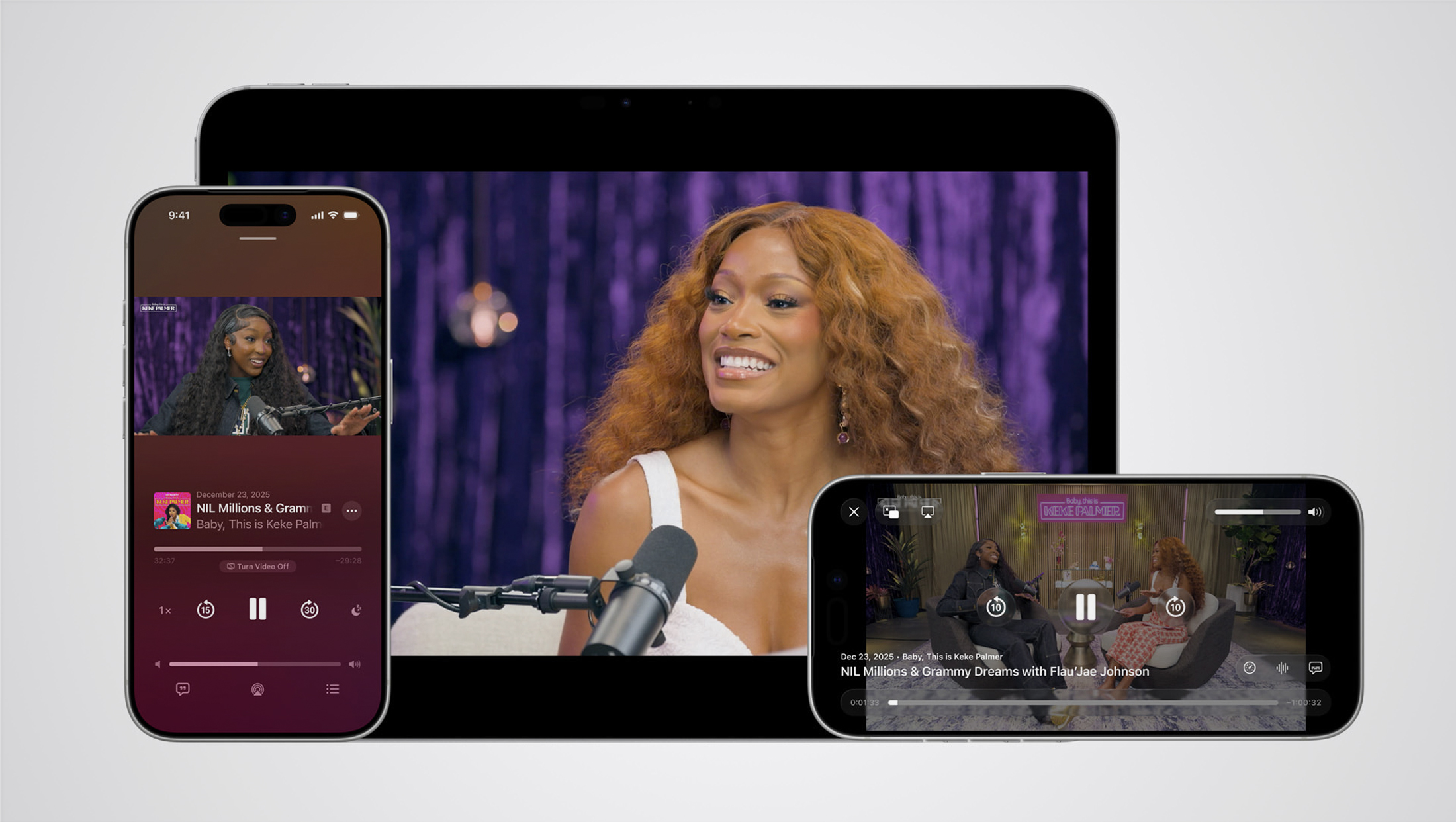
Apple has announced plans to bring what it calls “advanced video podcast capabilities” to its Apple Podcasts service.
Billed as “transformative” in the company’s announcement, Apple says the update, which is slated for later in the spring of 2026, will leverage its HTTP Live Streaming, or HLS, technology.
“Twenty years ago, Apple helped take podcasting mainstream by adding podcasts to iTunes, and more than a decade ago, we introduced the dedicated Apple Podcasts app,” said Eddy Cue, Apple’s senior vice president of services, in a statement. “By bringing a category-leading video experience to Apple Podcasts, we’re putting creators in full control of their content and how they build their businesses, while making it easier than ever for audiences to listen to or watch podcasts.”
The updates will allow users to switch seamlessly between watching and listening to compatible podcasts that provide both formats. Video quality adjustments via HLS will be performed automatically in the background. Offline viewing capabilities will also be included.
Apple says video features will integrate “seamlessly” in existing shows without disturbing follower or download stats.
Content creators will also get the ability to dynamically insert advertising, including host-read spots, into content.
Apple Podcasts will support distribution through a selection of participating hosting providers and ad networks, including Amazon’s ART19, Triton’s Omny Studio, SiriusXM, AdsWizz and Simplecast. Additional partners will join in the future.
Distribution via Apple Podcasts will remain free of charge, whether through HLS or RSS or MP3 formats, but HLS will be required for some of the more advanced features Apple announced.

Ad networks will be charged an impression-based fee for delivering dynamic ads within the HLS video starting later in 2026, though the exact structure was not announced.
Apple’s move comes at a time when both video and audio podcasts continue to grow in popularity, whether from independent creators, content conglomerates or traditional media companies.
Many television networks offer podcast versions of their shows, which can range from a simple audio-only feed to “best of” compilations or expanded content, though it remains to be seen how much TV broadcasts will embrace offering full video and audio experiences on Apple. Networks have also expanded into offering standalone podcasts featuring their existing talent or other creators, though video offerings still vary.
Video podcasts are not a new innovation and Apple has supported video podcasts since 2005. However, it has been relying on RSS and hybrid video-audio offerings were not possible without creating two separate entries — each with their own stats — in the Apple Podcasts catalog.
Apple is also not the first to attempt to combine video and audio formats into a single offerings. Both YouTube and Spotify have introduced their own takes on the feature.

tags
Apple, Apple Podcasts, HLS, podcasts
categories
Broadcast Business News, Featured, Podcasts