

Gomez calls FCC’s ‘View’ comment cycle ‘rulemaking by mob’
Weekly insights on the technology, production and business decisions shaping media and broadcast. Free to access. Independent coverage. Unsubscribe anytime.
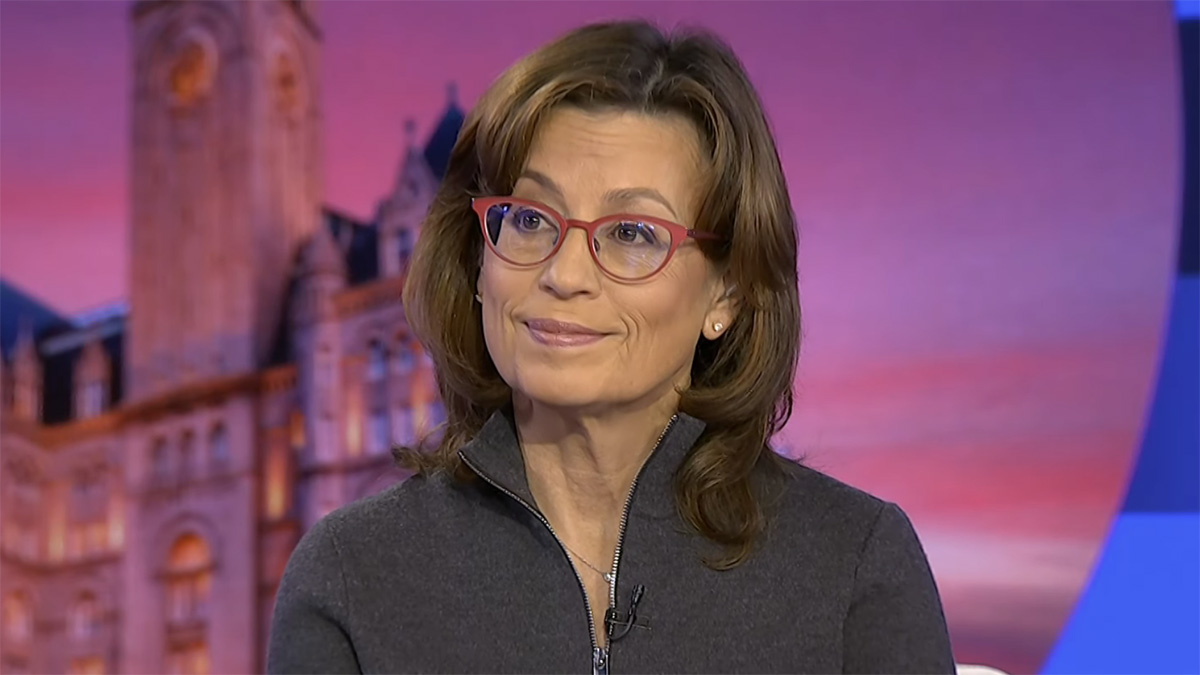
Federal Communications Commissioner Anna Gomez characterized the agency’s open comment proceeding on Disney’s “The View” as “rulemaking by mob” during an appearance on MS NOW’s “The Weeknight” Friday, May 22, escalating her public criticism of how the commission is handling the broadcaster’s petition for a declaratory ruling.
Gomez appeared on the program the same day the Media Bureau released its public notice opening MB Docket No. 26-124, which seeks comment on whether the daytime program qualifies as a bona fide news interview program under Section 315 of the Communications Act and on the constitutionality of the equal opportunities statute itself.
“I liken them putting out their response for public comment to rulemaking by mob, because it’s basically asking partisan organizations to come in and complain so that they can then say, these guys shouldn’t have the bona fide news exemption,” Gomez said.
Gomez said the petition Disney filed with the commission shows that the agency had previously recognized the program’s exempt status, a point the Media Bureau’s May 22 notice does not affirm or rescind.
“It turns out that the FCC had actually already found that it was exempt from the equal time rules,” Gomez said. “And so this FCC said, we don’t care. We want to reopen this.”
The proceeding traces in part to a recent appearance on the program by Texas state Rep. James Talarico, a candidate for federal office. Under Section 315, the appearance by a legally qualified candidate would ordinarily trigger an obligation for the station to provide comparable time and placement to opposing candidates, unless the program is recognized as falling within one of the statutory exemptions.
Gomez described the equal time framework in plain terms during the interview, noting that the law does not bar candidate appearances but requires broadcasters to extend comparable access to opponents. She said Congress wrote the bona fide news interview exemption to allow newsworthy interviews to proceed without triggering that obligation.
Broader comments on media consolidation
Gomez used much of the appearance to discuss what she described as concentration of broadcast ownership and pressure on broadcasters from the executive branch. She referenced Paramount’s recent creation of an internal review role tied to content complaints, characterizing it as a “truth arbiter” function created in response to administration pressure.

“The reason that we have multiple broadcast stations in any one market is in order to have diversity of viewpoints,” Gomez said. “Because we don’t want people to simply hear what one person wants them to hear.”
Gomez said she wrote a letter the prior week to Disney’s chief executive cataloging FCC actions involving the company and ABC. She said the underlying issue, in her view, was speech regulation.
“What this is is straight up censorship,” Gomez said.
Gomez framed Disney’s recent filings, including its May 7 petition on “The View,” as a shift away from a posture of accommodation that other media companies have adopted in dealings with the administration.
ABC settled a defamation suit with President Donald Trump in December 2024 over remarks made by anchor George Stephanopoulos. Paramount settled a separate suit in July 2025 in connection with the Skydance transaction review then pending before the FCC.
“Capitulation does breed capitulation. Courage begets courage,” Gomez said. “And I’m really glad that Disney seems to be standing up now for the First Amendment and for the freedom of speech and the freedom to make editorial decisions because it will win.”
Gomez said media companies, universities and law firms that have challenged administration actions in court have generally prevailed. She did not cite specific cases during the segment.
Process questions remain
Gomez’s “rulemaking by mob” framing sharpens a procedural question that has surfaced since the Media Bureau released its public notice.
The bona fide news interview exemption has historically been determined through staff-level letters or bureau-level declaratory rulings, not through docketed comment cycles that invite filings from outside parties on a single program. The May 22 notice asks the public to weigh in on the editorial choices of a network news program and on the constitutionality of a federal statute that has been in place since 1934.
The Media Bureau has set a June 22 deadline for comments and a July 6 deadline for reply comments. The proceeding is designated as permit-but-disclose under the commission’s ex parte rules.
Carr, in his May 21 press conference, said the commission would process the petition through normal channels and reach a decision once the record is developed. The chairman did not address Gomez’s characterization of the comment cycle, which she made the following day.


tags
Anna Gomez, FCC, MS NOW, The View, The Weeknight
categories
Broadcast Business News, Featured, Policy