

Apple’s iPhone Duo could reshape how users watch video and consume news
Weekly insights on the technology, production and business decisions shaping media and broadcast. Free to access. Independent coverage. Unsubscribe anytime.
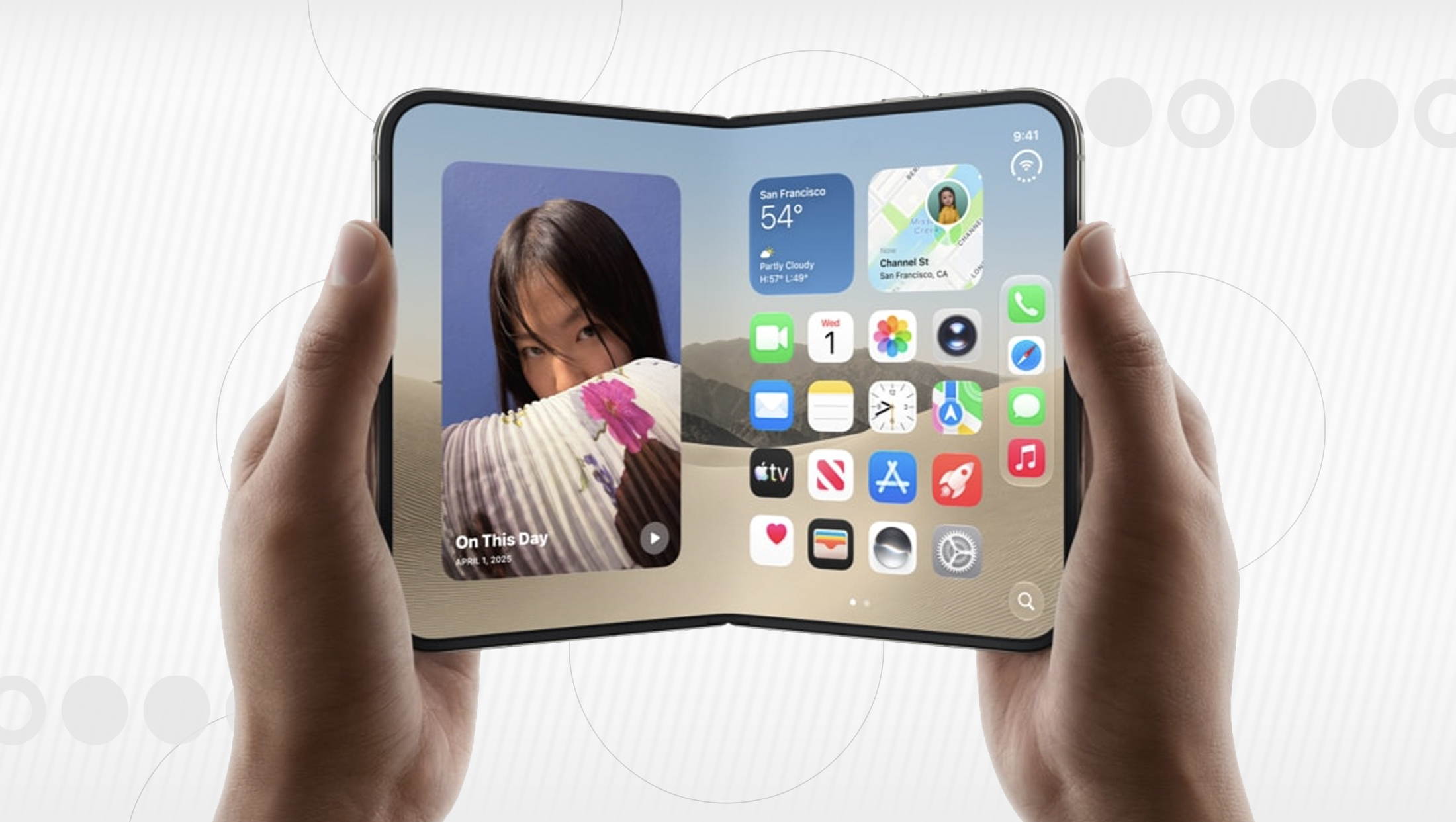
Apple’s new iPhone Duo does more than give iPhone users a bigger screen. It changes the shape of the screen itself, creating new opportunities, and some new challenges, for how news and video are presented on a mobile device.
Apple unveiled its first foldable iPhone on Sept. 9, 2026, with a 5.4-inch exterior display and a 7.6-inch interior display that becomes available when the device is unfolded. Both displays support ProMotion and peak brightness of up to 3,000 nits.
But screen size tells only part of the story.
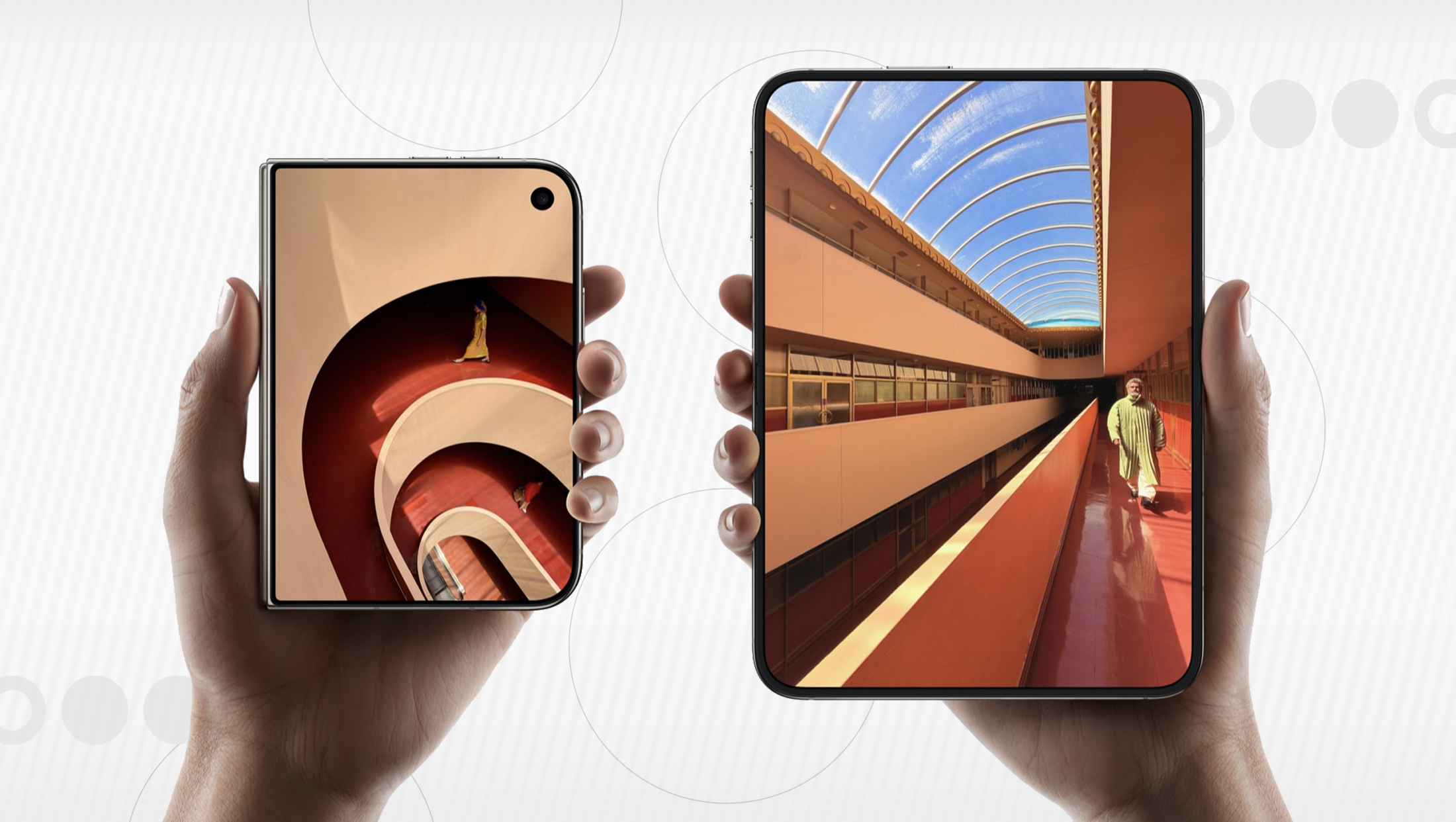
The unfolded display uses a 4:3 aspect ratio, substantially squarer than the elongated displays found on conventional iPhones. Apple also says the inner and outer screens use the same underlying aspect ratio, meaning the exterior screen effectively becomes a 3:4 canvas when the device is held vertically.
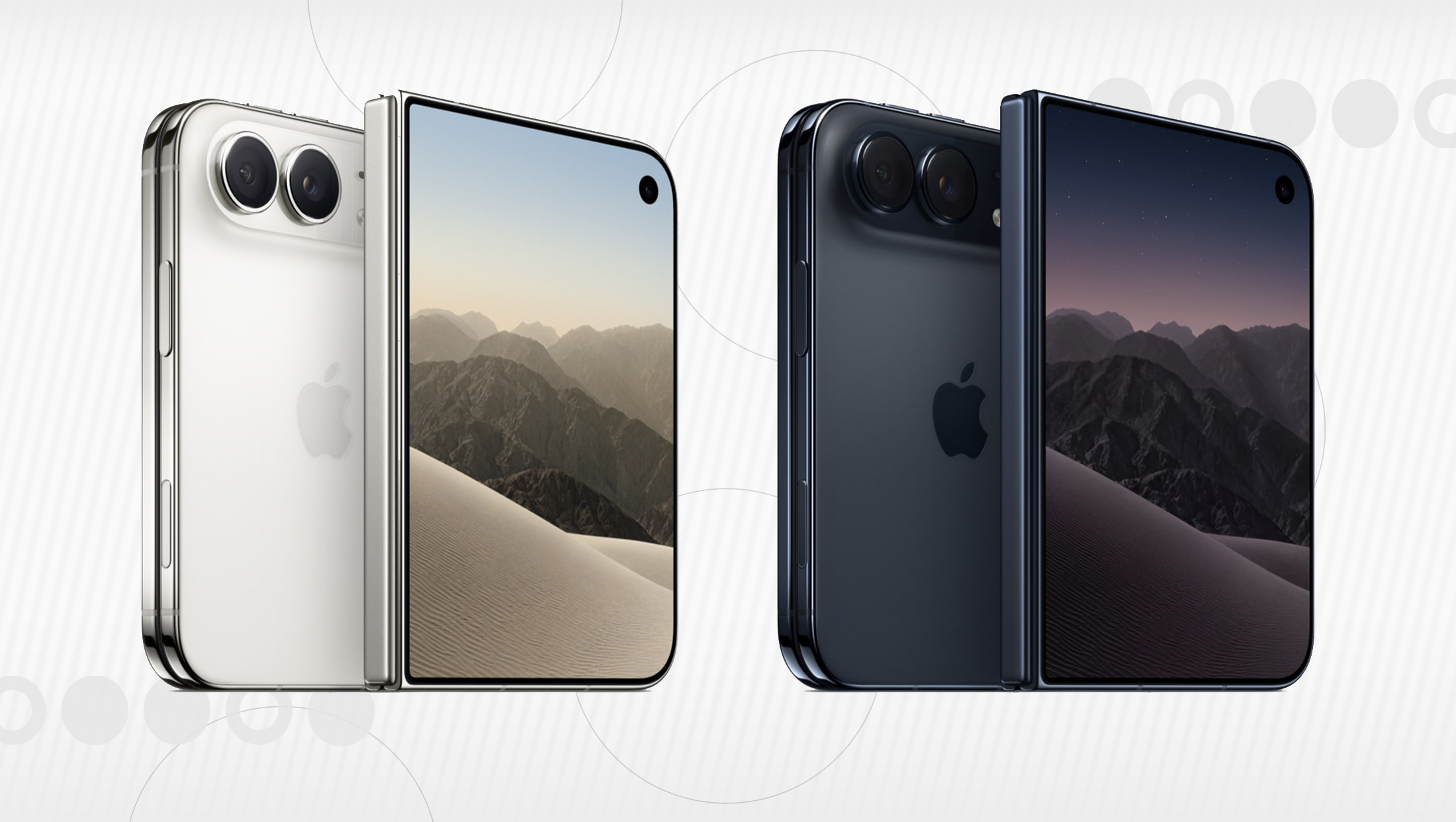
That is a significant departure from recent iPhones. For comparison, Apple lists the iPhone 17 at a resolution of 2,622 by 1,206 pixels, which works out to roughly a 19.6:9 display. That tall, narrow shape is relatively well suited to modern smartphone content, particularly 9:16 vertical video.
The Duo trades some of that video-filling efficiency for a display better suited to reading, multitasking and presenting multiple types of information at once.
A standard 16:9 television or streaming video displayed across the Duo’s unfolded 4:3 screen would fill the width of the display but leave space above and below the picture. Mathematically, a 16:9 image uses about 75% of a 4:3 screen when shown without cropping.

Rotate the Duo into portrait orientation and the same issue applies to 9:16 vertical video. A full vertical video from TikTok, Instagram Reels, YouTube Shorts or a news organization’s social feed would use about 75% of the available 3:4 display area if it is shown in its original proportions.
That is slightly less efficient than on the taller screen of a conventional iPhone, where 9:16 video more closely matches the shape of the display.
It means vertical video is not necessarily going to look dramatically larger simply because the Duo unfolds.
What could be more important is what happens around the video.
Apple has designed iOS 27 to take advantage of the additional screen space, including split-screen multitasking and layouts that change as the Duo is opened, rotated or partially folded. Apps can appear side by side instead of forcing users to move back and forth between them.
That could make the Duo particularly well suited to the way audiences already consume news.
A vertical news video, for example, could occupy one side of the unfolded display while a live blog, article, social feed, election results or comments remain visible on the other. Because half of a 4:3 landscape display is much closer to the proportions of vertical video, 9:16 content also becomes a more natural fit inside a split-screen layout than it is when stretched across the entire unfolded display.
For television news organizations, that could create an important distinction between simply making video bigger and designing an experience around video.
A live newscast could run alongside weather radar. An election stream could share the screen with continuously updating results. A press conference could appear next to a reporter’s written analysis. Sports coverage could pair a live stream with statistics or a live blog.
That type of experience traditionally required viewers to use a television and phone at the same time, or repeatedly move between apps. The Duo potentially brings both behaviors onto one screen.
The 4:3 format also has advantages for written news.

It more closely resembles the proportions used by tablets and provides additional horizontal space for headlines, photos, graphics and text. Publishers could use two-column layouts, persistent navigation or combinations of stories and related media that would feel cramped on a traditional phone.
Apple appears to be emphasizing that flexibility. The company demonstrated the Duo running in both horizontal and vertical orientations, while iOS 27 moves controls and navigation elements depending on how the device is being used.
The different aspect ratio could also force publishers to think more carefully about video production.
For years, media organizations have increasingly created separate versions of the same content: 16:9 for television and YouTube, 9:16 for TikTok, Shorts and Reels, and square or near-square versions for other social platforms. Apple’s 4:3 canvas introduces another environment where neither traditional horizontal nor vertical video naturally fills the screen.
Rather than creating yet another video format, publishers may find the unused space more valuable for headlines, captions, live information and interactive elements.
The partially folded modes could further affect viewing habits. Apple designed the Duo so content can adapt when the device is positioned at an angle or placed on a surface, potentially allowing users to watch video without holding the phone.
That could benefit longer-form programming, including newscasts, interviews, documentaries and video podcasts, where viewers are less likely to hold a phone vertically in front of them for an extended period.
Apple’s entrance into foldables is unlikely to change publishing strategies overnight. The iPhone Duo starts at $1,999, with preorders beginning Oct. 16, 2026, before the device goes on sale Oct. 23, 2026. Foldables also represented only about 1.6% of worldwide smartphone sales in 2025, according to figures cited by The Verge.


tags
Apple, iphone, iPhone Duo
categories
Broadcast Industry News, Featured, Mobile Apps, Online and Digital Production, Social Media