

Hegseth institutes stricter leak investigation policies
Weekly insights on the technology, production and business decisions shaping media and broadcast. Free to access. Independent coverage. Unsubscribe anytime.
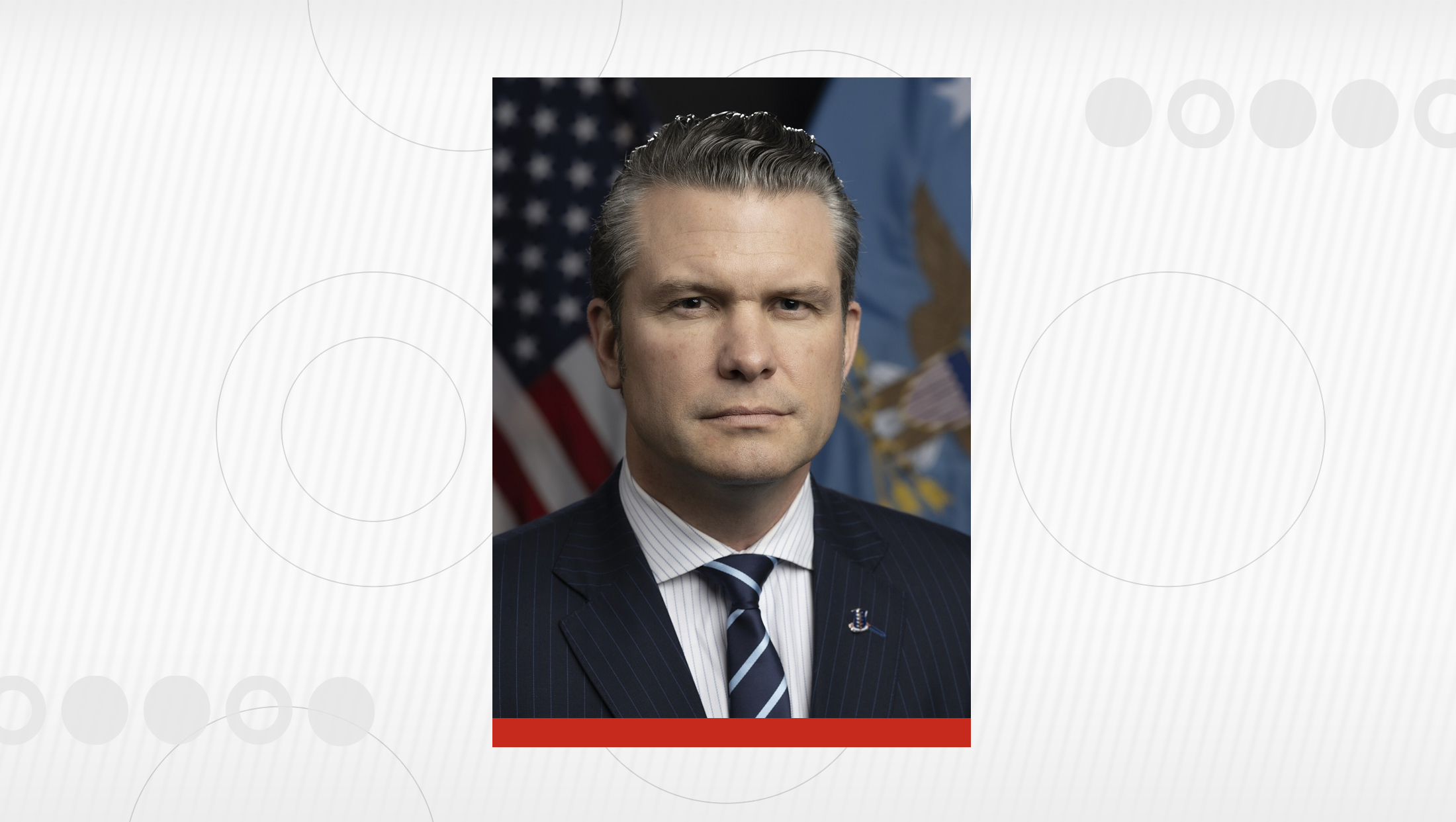
Defense Secretary and former FNC star Pete Hegseth has ordered Pentagon offices to respond within 48 hours to requests connected to leak investigations under a new task force formed with the Justice Department.
Hegseth announced the initiative July 13, 2026, describing it as an effort to identify and prosecute people responsible for unauthorized disclosures of sensitive defense information to news organizations.
The Pentagon’s Office of General Counsel will lead the department’s role in the investigations and may request records, information and assistance from any Pentagon office or employee. Department personnel must prioritize the requests and provide “full and complete” responses within two days, according to Hegseth.
“Leaked information risks lives,” Hegseth said in a video posted to X. He added that anyone who betrays the government’s trust would face “the full force of the law.”
The announcement followed the Justice Department’s decision to subpoena several New York Times journalists over reporting about security concerns involving the Qatari-donated aircraft being used as a new Air Force One.
The subpoenas seek testimony before a federal grand jury.
The Times reported that the newer plane lacked some of the security and countermeasure systems available on the older Air Force One aircraft. Donald Trump used the Qatari-donated plane to travel to a NATO summit in Turkey but switched to an older aircraft for part of the return trip.
The Justice Department has maintained that the reporters are not targets of the investigation and that prosecutors are seeking to identify government employees who disclosed classified information. It was not clear how or if the Pentagon would identify or pursue investigations into leaks to non-journalists.

The Pentagon also did not explain why its actions against high-profile leaks have largely involved media outlets that tend to hold the Trump administration accountable for its actions while essentially ignoring reporting by pro-Trump outlets that may have relied on confidential sources.
Hegseth has actively pursued leak investigations since taking control of the Pentagon. Opponents of such policies argue that subpoenas issued to journalists could intimidate reporters and force them to reveal confidential sources. The use of confidential sources, while controversial, is recognized as a legitimate way for the so-called fourth estate to obtain information necessary to hold government and other people accountable through open and free reporting.
Hegseth’s new crackdown has renewed criticism of Hegseth’s handling of sensitive information.
In 2025, Hegseth shared details about planned U.S. strikes against Houthi targets in Yemen through a Signal group chat that inadvertently included The Atlantic’s editor.
Hegseth did not indicate whether such a disclosure would be considered a “leak” or what, if any, actions might be taken in similar situations in the future.
The Pentagon has also restricted journalists’ access to the building. Most major news organizations surrendered their Pentagon credentials on Oct. 15, 2025, rather than sign a policy that limited reporters’ ability to solicit unauthorized information from military personnel.
Reporters who retained access have faced escort requirements and restrictions on where they may travel inside the Pentagon. The New York Times has challenged the policies in court, arguing that they violate the First Amendment.
In June 2026, the Pentagon also barred journalists from entering its press office after designating the office as a Sensitive Compartmented Information Facility, or SCIF, because speechwriters working there routinely handle classified materials.

tags
Department of Defense, Fox News, Pete Hegseth
categories
Featured, Journalism