

How sports media is being reshaped between matches
Weekly insights on the technology, production and business decisions shaping media and broadcast. Free to access. Independent coverage. Unsubscribe anytime.
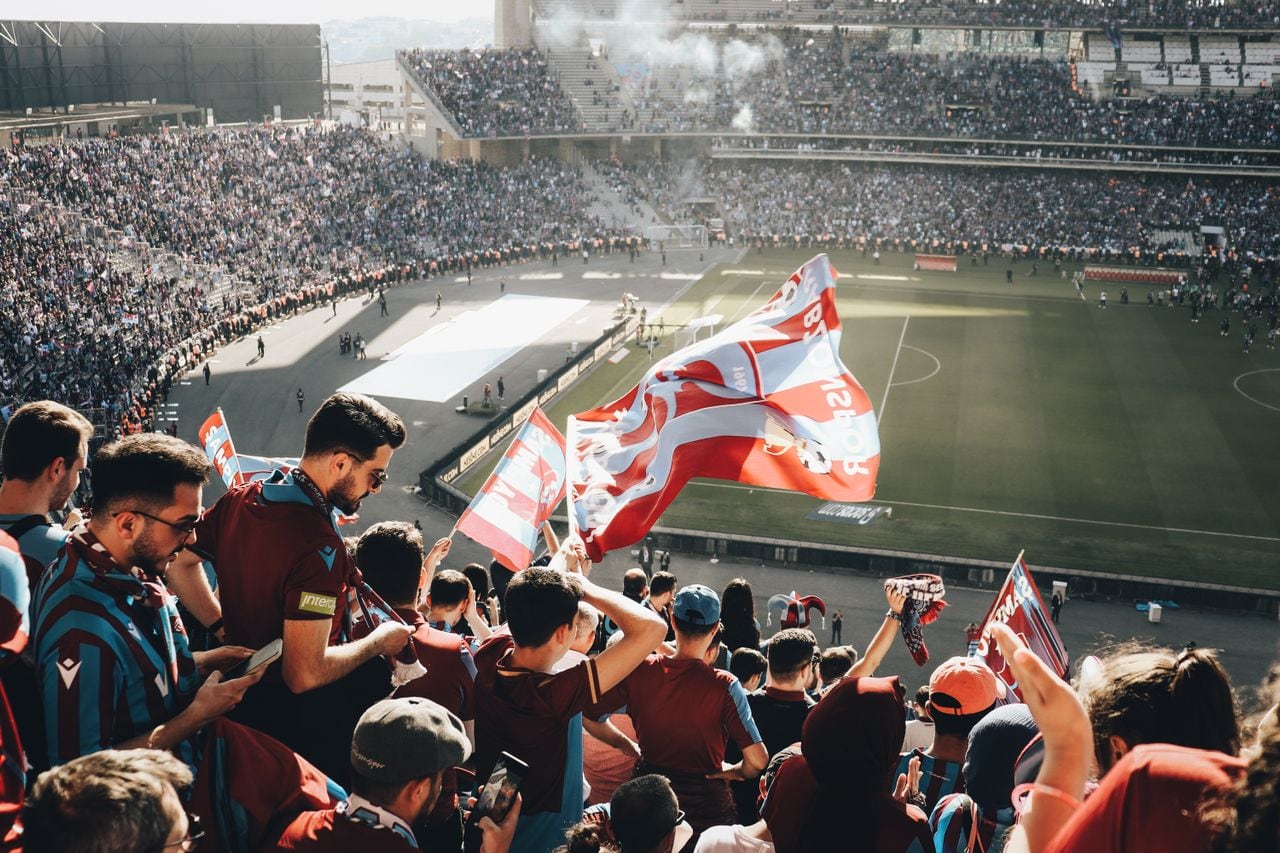
When the FIFA Club World Cup wrapped up in the United States this past July, an estimated 2.7 billion people had watched across all platforms, with 80% engaging with content outside the live match. Those numbers represent something more than viewership milestones: They show how profoundly soccer’s audience has changed. The game still draws the crowd. But the crowd is now staying for everything around it, and that shift has consequences that run well beyond the biggest clubs and the biggest tournaments.
Fans now expect a continuous relationship with their clubs year-round: social content, behind-the-scenes access, archive storytelling, original programming. Sponsors want measurable digital returns. The platforms where audiences spend their time reward consistent, high-frequency publishing. For organizations built around a weekly fixture or a seasonal schedule, that is a significant structural mismatch.
That gap has widened fast. Commercial revenue at the top clubs no longer flows primarily from the game itself, but from the content, the data, and the digital relationships built between fixtures. For organizations still structured around matchday as their primary commercial event, that’s a fundamental rethink, not just of strategy, but of how production works day to day.
Those 9,990 minutes between matches are the gap. And for most Tier 2 clubs, collegiate programs, and regional leagues, they pass largely in silence.
Between matches, most collegiate programs, Tier 2 clubs, and regional leagues simply don’t have the staff or structure to keep content moving consistently. The result is a long stretch of time where footage sits unused, stories go untold, and fan attention is left on the table. For organizations that don’t have a dedicated media operation, that gap is less about creativity than about capacity.
The revenue has already moved
At the elite level, the commercial shift is no longer a trend to watch. Commercial revenue has become a dominant or fast-growing source of income for most clubs. Research consistently places engaged fans at six times the spending level of casual ones. The platforms that drive that engagement — YouTube, TikTok, Instagram, OTT apps — have trained audiences to expect a daily relationship with the teams they follow, not a weekly broadcast.
For regional leagues, collegiate programs, and Tier 2 clubs, that shift lands with particular force. US sports fans are conditioned by the always-on media ecosystems built around the NFL, NBA, and MLB. When they follow a smaller organization, they carry those expectations with them. The budget gap doesn’t soften the standard.
Workflow is where leagues get separated
Talk to content teams across regional and collegiate sports and the same story surfaces. Ideas aren’t the problem. Execution is. Footage spreads across personal hard drives, consumer cloud accounts, and the laptops of freelancers who cycled through during the season. Editors rebuild sequences from scratch because locating the original clip takes longer than reshooting. Duplicate files quietly absorb storage budgets. An archive full of usable material sits effectively offline, too cumbersome to search and too slow to retrieve.

This is operational debt, and it compounds. Organizations that can afford it try to buy their way out, hiring more staff, purchasing more storage, only to watch output stay flat. Others simply don’t have the budget to throw at the problem. The bottleneck is structural, not a headcount issue.
Arsenal Football Club offers a useful reference point, even for audiences more focused on the Big 12 than the Premier League. The club publishes more than 30 pieces of content daily across social platforms and generates over a billion video views per season. Behind that output is a project-centric production structure where assets are organized, searchable, and immediately usable. Deduplication alone reclaimed hundreds of terabytes of primary storage, capacity that went back into content production rather than file management. Editors edit. They don’t file-hunt.
The volume Arsenal achieves is unusual. The mechanism behind it scales to almost any operation.
A framework that fits lean teams
The most effective clubs at any level organize their output around three tiers — and the structure works as well for a 12-person collegiate media team as it does for a Premier League operation.
- Hero content covers the moments that drive attention: rivalry games, signing announcements, championship runs. These anchor the season’s narrative and define the brand.
- Hub content — recurring formats like post-match breakdowns, player profiles, and training features — creates the rhythmic touchpoints that build a following into a habit.
- Hygiene content keeps an organization present on days when nothing newsworthy is happening. Archive clips, milestone callouts, “on this day” posts. Low production cost, consistent publishing cadence.
Run steadily across all three tiers, content output stops being reactive and starts behaving like a media operation. A small team with clear structure and accessible assets can sustain that cadence. A larger team working in an unstructured environment typically cannot.
Scalable workflows as a competitive advantage
The scalable workflows conversation tends to focus on efficiency, which is real but incomplete. When production is disorganized, the cost is invisible. Time disappears into asset management rather than content creation. Creative output stays lower than it should, and nobody can quite account for why.
The strategic value of workflow design is that it changes the ceiling. Project-centric organization, standardized production processes, and genuinely accessible archives allow a lean team to operate at a scale that would otherwise require significantly more resources. That’s where regional leagues, collegiate programs, and Tier 2 clubs can close ground on organizations with larger budgets.
The practical starting point is an honest audit. Where does footage actually live? What percentage of production time goes toward finding and organizing assets versus using them? What would it take to bring years of archive material genuinely online and searchable?
Most organizations already have more to work with than they realize. The footage exists. The stories are there. What’s missing is the operational structure that lets a small team get to them quickly enough to matter.
Each week between live games gives sports organizations another opportunity to capture fan attention. The teams that treat that as an operational challenge, not just a creative opportunity, are the ones more likely to build audiences that last.


Bea Alonso, ProjectiveBea Alonso is the marketing lead at Projective.

tags
Bea Alonso, Broadcast Workflow, Fandom, Premier League, Projective, Projective Technology, workflow
categories
Featured, Sports Broadcasting & Production, Thought Leadership, Voices