
Inside the technical production of the 2026 Billboard Latin Music Awards
Weekly insights on the technology, production and business decisions shaping media and broadcast. Free to access. Independent coverage. Unsubscribe anytime.
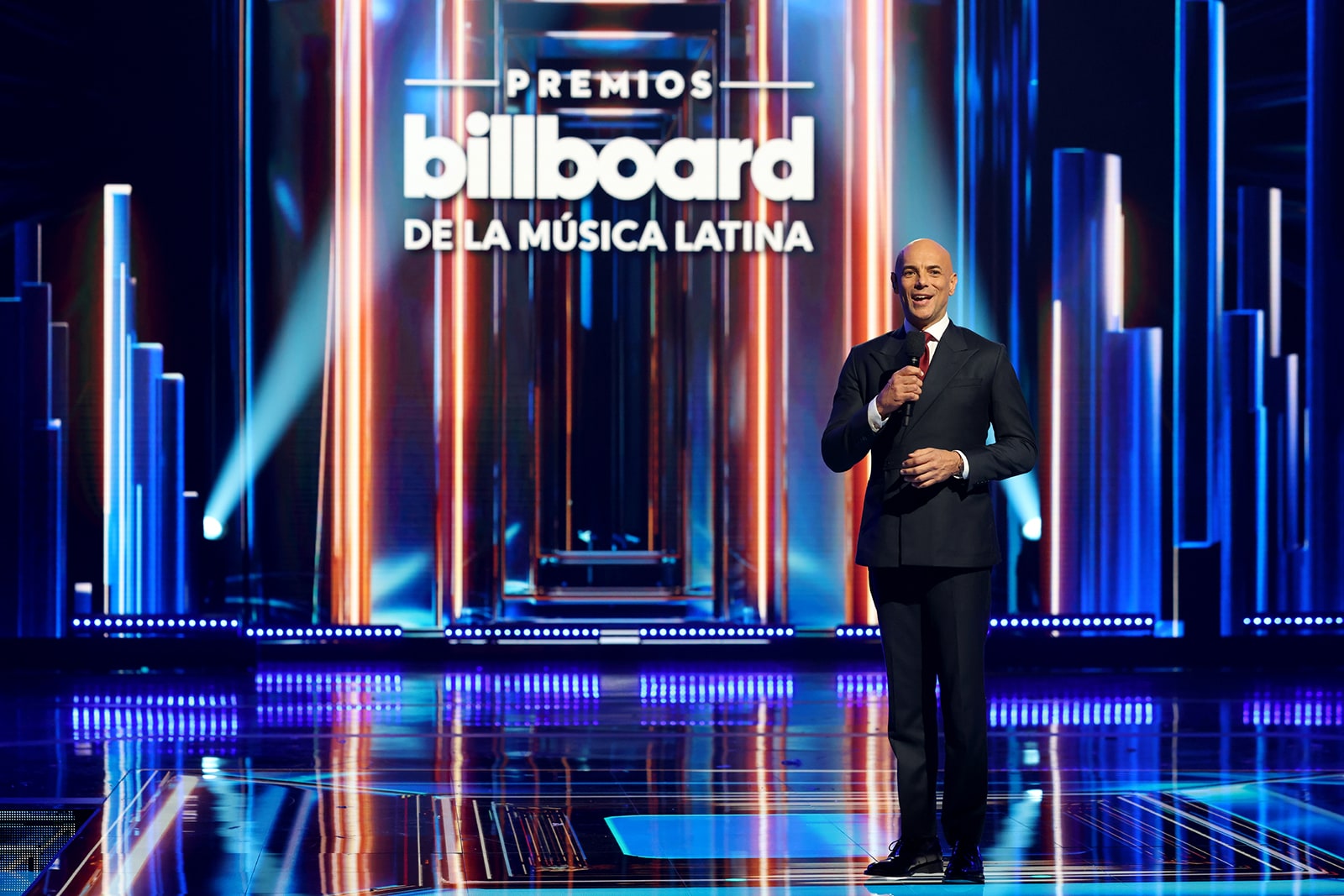
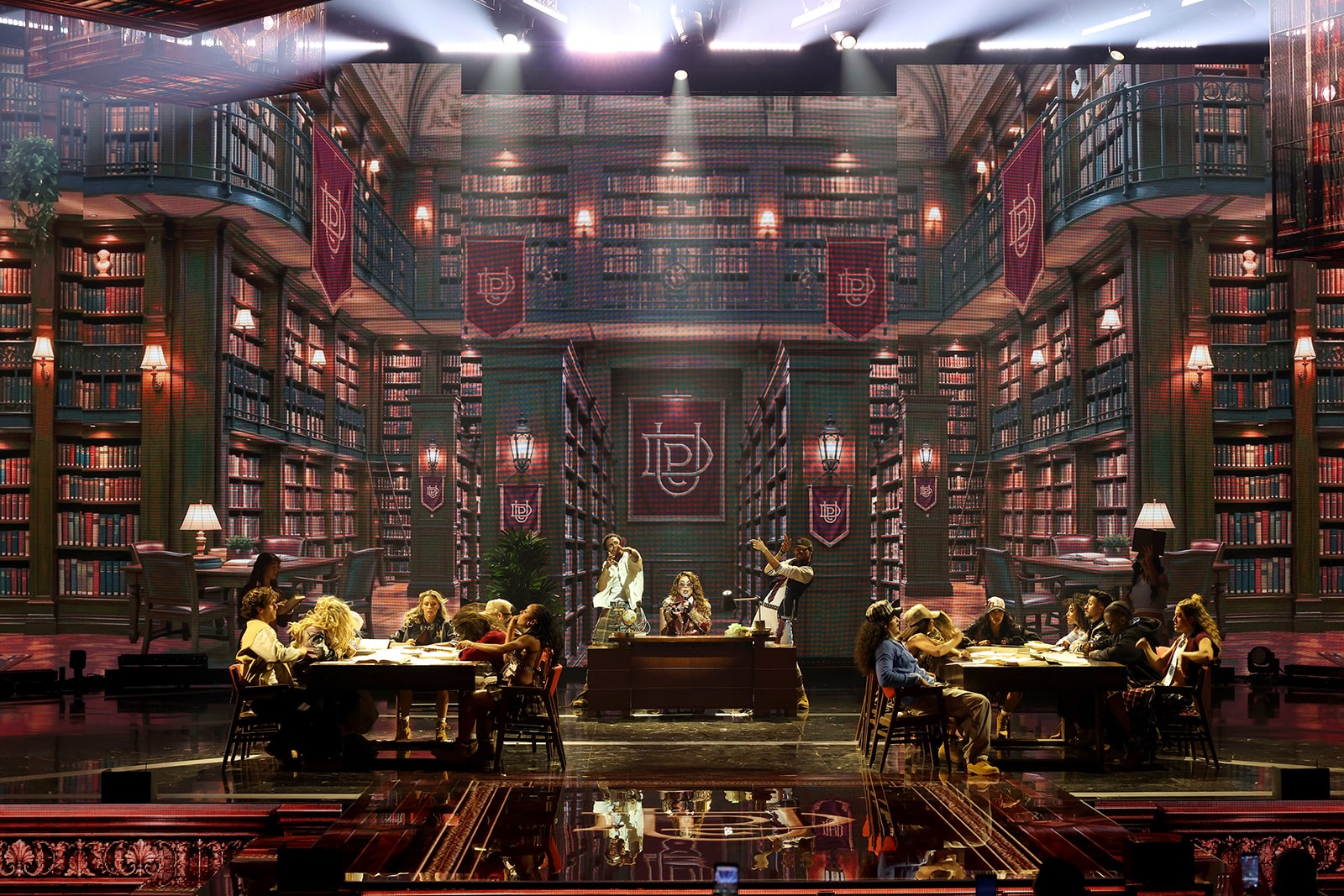
Telemundo expanded its production design and camera workflows for the 2026 Billboard Latin Music Awards, incorporating a larger LED stage environment, overhead video displays and programmed camera sequences to support 16 live musical performances.
Broadcast live Oct. 22 from the James L. Knight Center in Miami, the ceremony featured world premieres, television debuts, artist collaborations and a tribute marking the 10th anniversary of Juan Gabriel’s death.
For NBCUniversal Telemundo’s technical production team, the expanded show required coordinating multiple video feeds, camera movements and stage transitions while maintaining the timing demands of a live television broadcast.
“We wanted to build on last year while taking the production to another level,” said Rey Carrasquillo, senior director of technical production at NBCUniversal Telemundo.
“The stage is larger and wider this year, with expanded LED coverage, and we’ve enhanced the camera work and overall visual approach to match the energy and scale of the performances.”
Expanding the visual environment
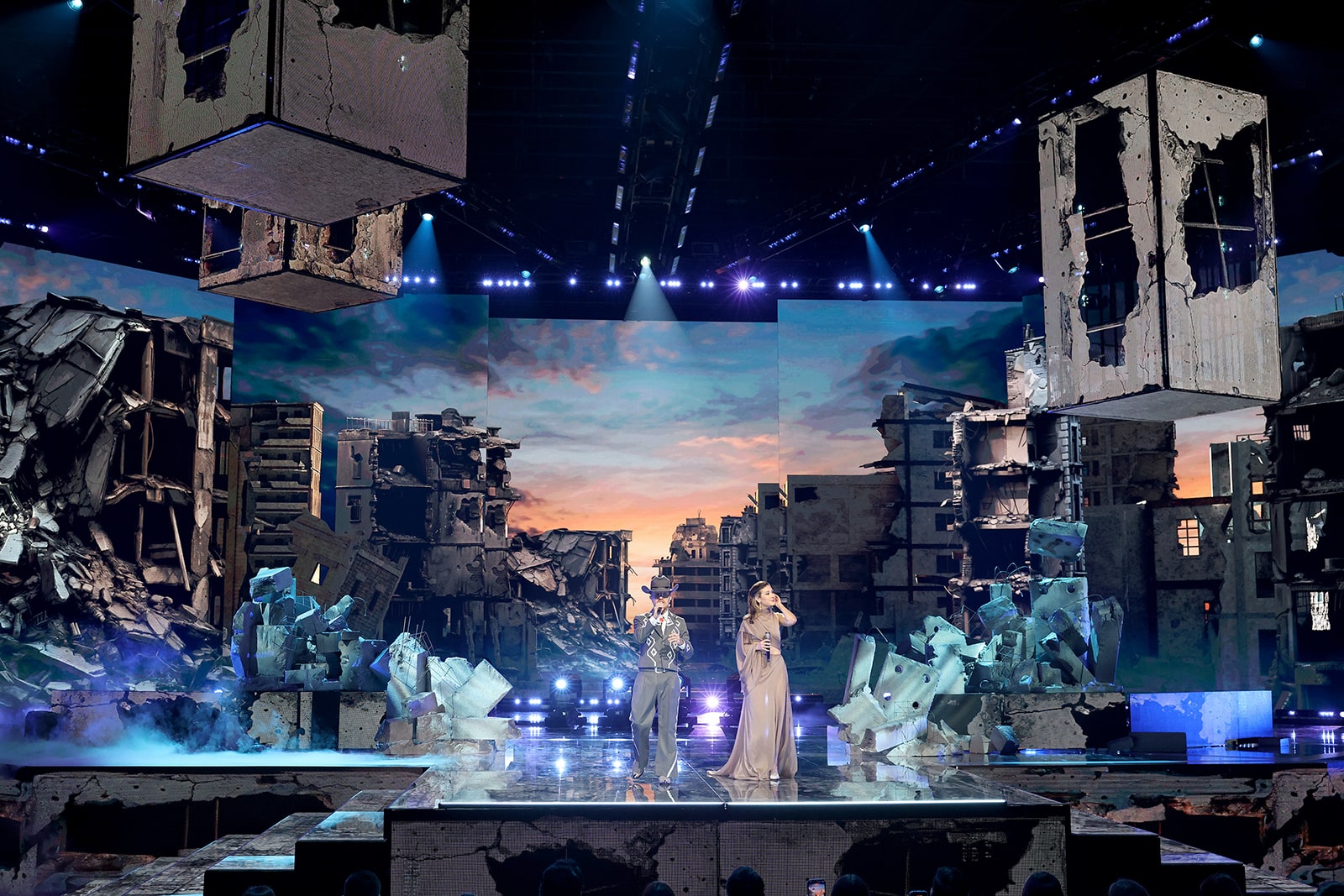
The production’s larger stage incorporated an expanded LED backdrop, an LED floor and additional displays suspended from the overhead grid.
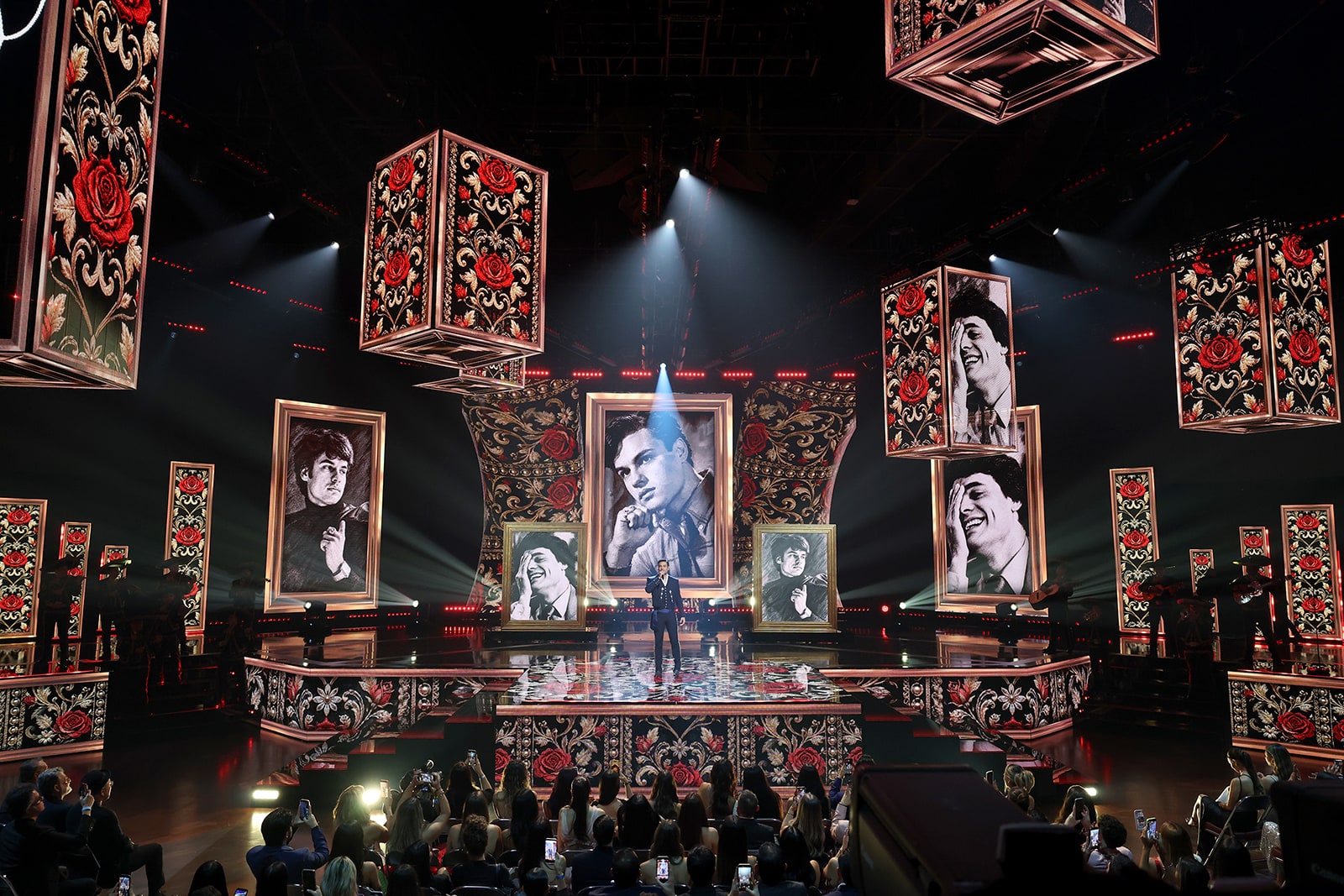
The overhead screens provided another visual surface for the production team, allowing them to display selected camera feeds during performances. The configuration allowed live video imagery to become part of the stage design rather than remain confined to the broadcast output.
Telemundo also incorporated three production timelines and two feeds to manage additional visual elements throughout the show.
The expanded display environment added another consideration to camera planning. Shots needed to account for both the performers onstage and the surrounding video elements, including screens that can display imagery captured elsewhere in the production.
“One of the biggest changes is the expanded use of LED technology,” said Carrasquillo. “In addition to the larger LED backdrop, we have LED screens suspended from the overhead grid that can display camera feeds during performances.”
The approach reflects the increasingly close relationship between scenic design, video playback and live camera production in large entertainment broadcasts.
Choreographing cameras for live performances
The awards also introduced changes to Telemundo’s camera configuration, including replacing one Steadicam with a Trinity camera system while retaining a second Steadicam. The Trinity system added movement options, letting operators execute camera moves that combine stabilized tracking with changes in height and perspective.
That flexibility was particularly relevant for a production built around successive musical performances, each with its own staging, choreography and visual requirements.
Telemundo also used CuePilot for selected performances, using the camera automation and production-planning system to coordinate programmed shots and transitions. The system helps guide shot composition and execution timing, which is critical in an awards show setting.
“We’ll also use CuePilot on several performances; it helps coordinate programmed camera shots and transitions,” said Carrasquillo. “The camera operators remain fully responsible for their shots but receive guidance from CuePilot on what the shots look like and when the shots will be executed.”
The workflow let production teams build camera sequences around rehearsed performances while keeping human control over individual shots.
For an awards broadcast with numerous musical acts, this combination of preparation and live execution helped address one of entertainment production’s central challenges: coordinating precisely timed visual sequences without sacrificing the flexibility required for live television.

Managing the complexity between performances
Beyond the camera and display systems, the production required extensive backstage operations to accommodate the show’s musical lineup. Each performance required coordination among technical crews, stage managers, musicians and artists, with equipment and scenic elements moving between acts.
The process also had to account for lighting, audio, graphics and camera changes occurring within the same tightly controlled broadcast schedule.
“A major challenge is the amount of coordination happening behind the scenes, particularly with the number of performances and the fast transitions between them,” said Carrasquillo.
“We’re moving talent, props and equipment on and off stage while simultaneously managing cameras, lighting, audio, graphics and timing.”
These transitions placed considerable demands on the production team. While viewers saw a sequence of performances and presentations, crews had to prepare subsequent segments while the broadcast continued.
The James L. Knight Center introduced additional logistical considerations, requiring the production to accommodate its stage configuration, available infrastructure and equipment access.
Those requirements extended to the arrival and configuration of the mobile production facilities supporting the broadcast.
A mobile control room for the live broadcast
Game Creek Video provided the mobile production truck serving as the show’s on-site broadcast control room.
The truck housed the infrastructure used to manage live video and audio workflows, providing a central point of coordination for the various technical systems involved in the production.
Getting the mobile unit into position, configured and operational required coordination between the production and technical teams, particularly given the venue’s loading and infrastructure constraints.
“The mobile production unit is essentially our live broadcast control room on site,” said Carrasquillo. “Getting the Game Creek Video truck loaded in, configured and fully operational is a major part of the production process and requires close coordination across our technical and production teams.”
The mobile workflow tied together the technical elements supporting the broadcast, from camera acquisition and audio to the timing and coordination required for the live program.
For Carrasquillo, the expanded production ultimately centered on how those technical systems supported the performers and the audience’s experience of the event.
“Live moments have a special ability to create connection and give audiences something to experience and talk about together, and that’s really what we’re trying to deliver here,” said Carrasquillo.
Images and video courtesy of Telemundo.

tags
Billboard Music Awards, CuePilot, Game Creek Video, LED Floors, live production, miami, production design, Rey Carrasquillo, steadicam, telemundo
categories
Awards Shows Production Design, Heroes