

FCC: Talkers must start obeying equal time rules
Weekly insights on the technology, production and business decisions shaping media and broadcast. Free to access. Independent coverage. Unsubscribe anytime.
The FCC has published guidance that daytime and late-night talk shows will need to comply with “equal time” rules again.
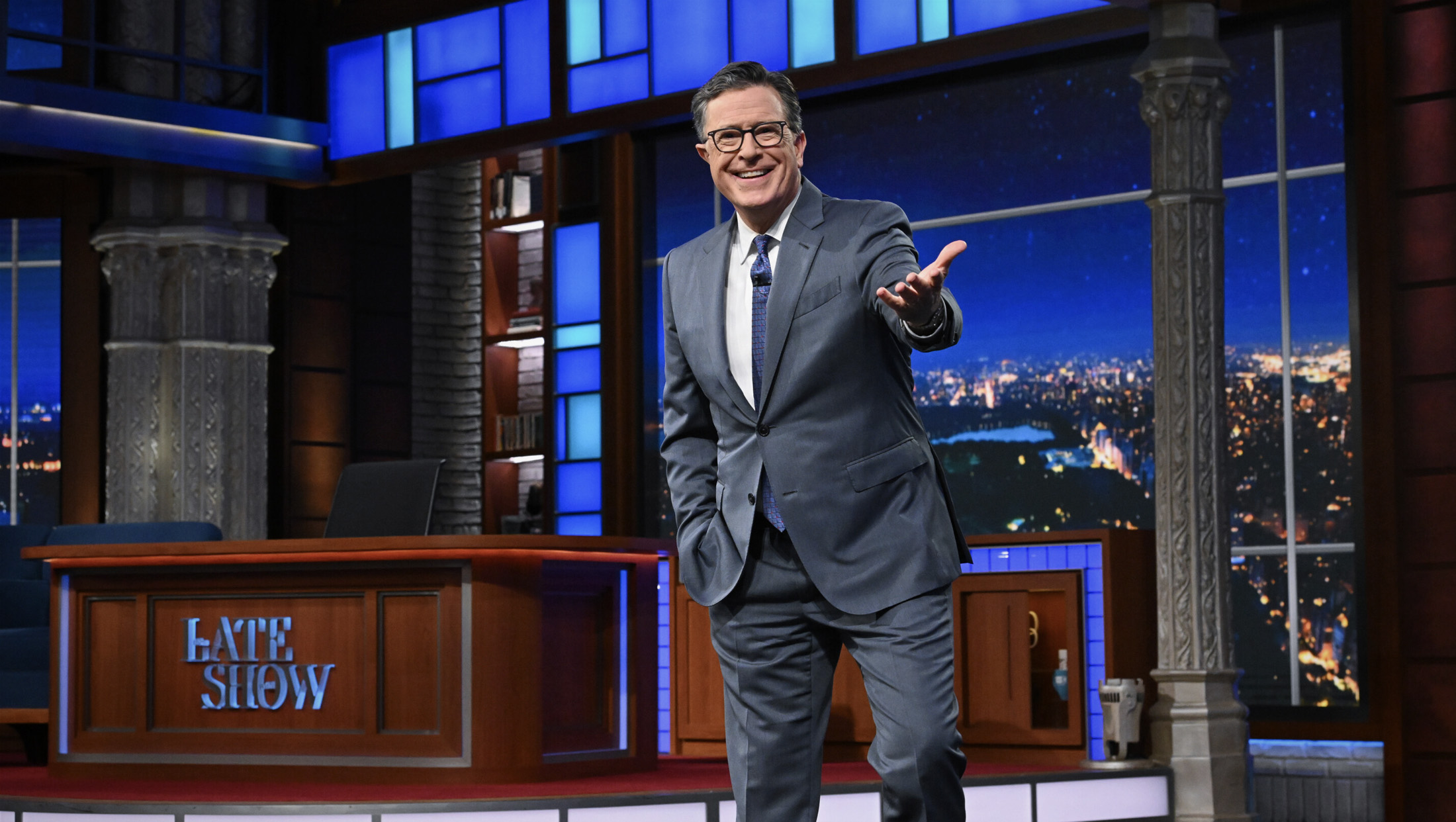
The official messaging mentions both daytime and late-night talk shows that air on FCC-licensed stations, which could affect programs ranging from “The Kelly Clarkson Show” and “Tamron Hall” as well as “The Tonight Show” and “The Late Show.”
Equal time rules typically require that over-the-air broadcasting networks airing a segment with featuring a legally-qualified political candidate to offer any opponents a similar opportunity.
Since 2006, talk shows have been seen as exempt from the equal time rule, when the FCC Media Bureau granted an exemption to the interview segment of “Tonight” under the notion that the segment could be considered a bona fide news interview. At the time of this decision, Republican George W. Bush was president.
Since then, most networks have cited that decision as a precedent that applies to all talkers.
Some daytime talk shows that delve into current events also took the further step to officially classify their show as a news program, which could, at least in concept, further insulate them from equal time requirements (in the case of “The View,” ABC even took the step of moving production of the show under its news division as opposed to a network entertainment arm).
In its statement Jan. 21, 2026, the FCC said it “has not been presented with any evidence that the interview portion of any late-night or daytime television talk show program on air presently would qualify” for such an exemption. It did not elaborate on that statement.
Networks and producers who need a more concrete answer were encouraged to file a petition for declaratory ruling, the FCC said.

This portion of the commission’s statement was phrased in such a way that it implied all such petitions would be met with the same response — that the exemption does not apply.
The equal time exemption for talk shows is largely based on the premise that the political interviews they air are subject to at least some editorial discretion around what guests it features based on newsworthiness. This could be seen as covering interviews with political figures based on current events or in connection to the release of a book or film project, for example.
Proponents of removing the talk show exemption say talkers have been unfairly using it to limit what candidates viewers see. Those with more right-leaning views often tie this with their stance that most mainstream media is controlled by left-leaning hosts, producers and corporations.
However, many media ethics experts note that, without the exemption, talk shows could start shying away from featuring any political figures at all.
It’s not surprising Donald Trump administration’s FCC has ventured into attempting to break down the equal time exemption for talk shows and it could be seen as a way to explore adding further regulations over content in broadcasting.
Trump in particular has had public feuds with shows ranging from ABC’s “The View” and “Jimmy Kimmel Live” as well as CBS’s “The Late Show.” CBS, whose parent Paramount recently completed a largely Trump-sanctioned mega-merger with Skydance Media, announced “Late” will end after its current season, a move that many see as a way to snuff out a voice that is often critical of Trump, though the network has maintained it is strictly a business decision based on revenue vs. production costs.
ABC also faced criticism after it put “Kimmel” on hiatus after Trump took umbrage with comments its host made after the shooting of right-leaning personality Charlie Kirk. ABC ultimately allowed Kimmel to return to air, but not after facing backlash for its decision.
Democrats, including the sole one the FCC board, have called out the move as censorship.
Trump voiced his support of the change, specifically mentioning both “The View” and “Kimmel.”
It’s also important to note that, at least according to most widely accepted legal doctrines, equal time would apply to candidates from all parts of the political spectrum, including situations where a broadcast talk show program including a right-leaning guest being required to offer equal time to their opponent.
Talk shows have routinely included guests with a variety of political stances.
The equal time rule is often incorrectly conflated with the separate “fairness doctrine.” Like most FCC regulations or rules, the stricter parts of the equal time concept does not apply to content aired on cable, digital or streaming platforms, because these do not use public airwaves to reach viewers.
General entertainment programs and newscasts are not subject to equal time rules.

tags
FCC, Talk Shows
categories
Policy