

Smart TV operating systems gain influence over streaming discovery

Weekly insights on the technology, production and business decisions shaping media and broadcast. Free to access. Independent coverage. Unsubscribe anytime.
The battle for streaming viewers is shifting from individual apps to the software built into televisions themselves.
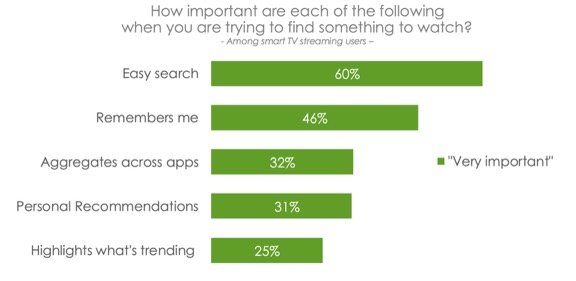
Smart TV operating systems increasingly shaped how audiences found and selected programming, according to Hub Entertainment Research’s 2026 “Evolution of the TV Set” report. The research found that viewers placed greater value on quickly locating a specific program than on receiving personalized recommendations.
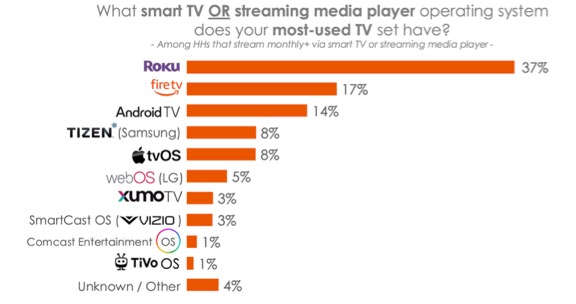
Most households had three television sets, two of which were smart TVs, the study found. Among streaming viewers, Roku powered the primary television experience for 37%, followed by Fire TV at 17%.
Easy search was rated “very important” by 60% of respondents, compared with 31% for personal recommendations and 25% for displays of trending content.
Interest in artificial intelligence features also centered on improving discovery. Twenty-eight percent of viewers selected tools that could more effectively exclude content they did not like, while 27% chose features that could identify similar programming.
Home-screen placement and recommendations still influenced viewing decisions. Suggested titles within Apple TV, Fire TV, Android and Roku environments were more likely to be watched than recommendations presented through Samsung’s Tizen and LG’s webOS systems, according to the report.
The initial setup of a smart TV also remained an important opportunity for streaming services. Fifty-one percent of respondents said they installed suggested apps during setup, while 56% said they rarely added apps after the first day, up from 47% in 2024.

“The conversation around finding great TV to watch is poised to become like the “Mac vs. PC” or “Android vs. iPhone” battles from prior years — as viewers learn that some TV operating systems do better jobs than others at helping them find good stuff to watch,” Jason Platt Zolov, senior consultant at Hub, said.
The report was based on a May survey of 2,500 U.S. consumers ages 16 to 74.

tags
Amazon Fire TV, Apple TV, Hub Entertainment Research, Jason Platt Zolov, Personalization, roku, samsung, tizen, webos
categories
Featured, Market Research Reports & Industry Analysis, Streaming