

Viewers less likely to cancel their default streaming service
Weekly insights on the technology, production and business decisions shaping media and broadcast. Free to access. Independent coverage. Unsubscribe anytime.
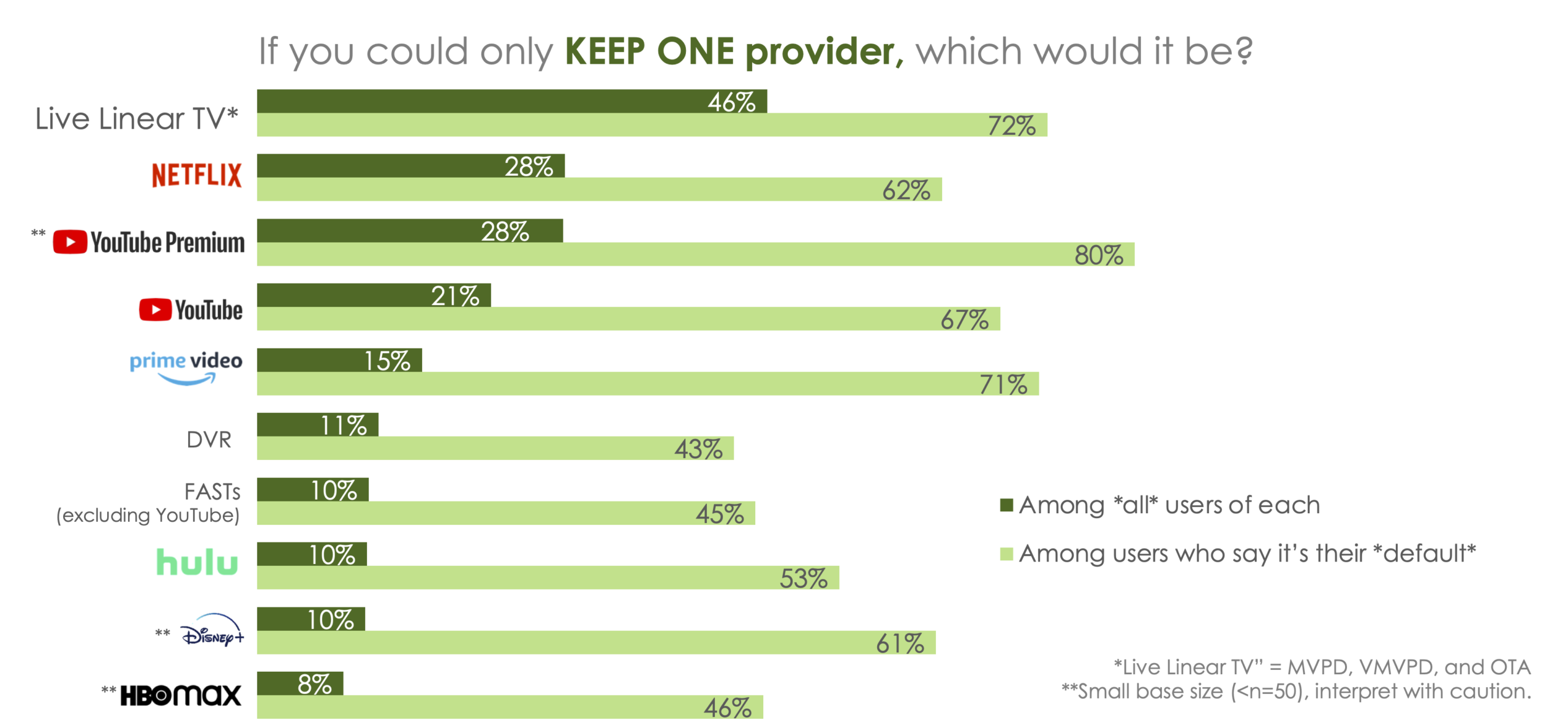
Streaming services that become viewers’ first choice for watching TV can see substantially stronger customer retention, with users of some platforms up to six times more likely to keep a service when it is their default.
The findings came from Hub Entertainment Research’s 2026 “Decoding the Default” study, which defined a default as the service viewers turn on first when they want to watch something. The research covered paid streaming, free ad-supported services and live TV.
Among Netflix users, 28% said they would keep the service if they could retain only one, compared with 62% of respondents who considered Netflix their default. For Disney+, 10% of all users said they would keep the service, compared with 61% of those who considered it their default.
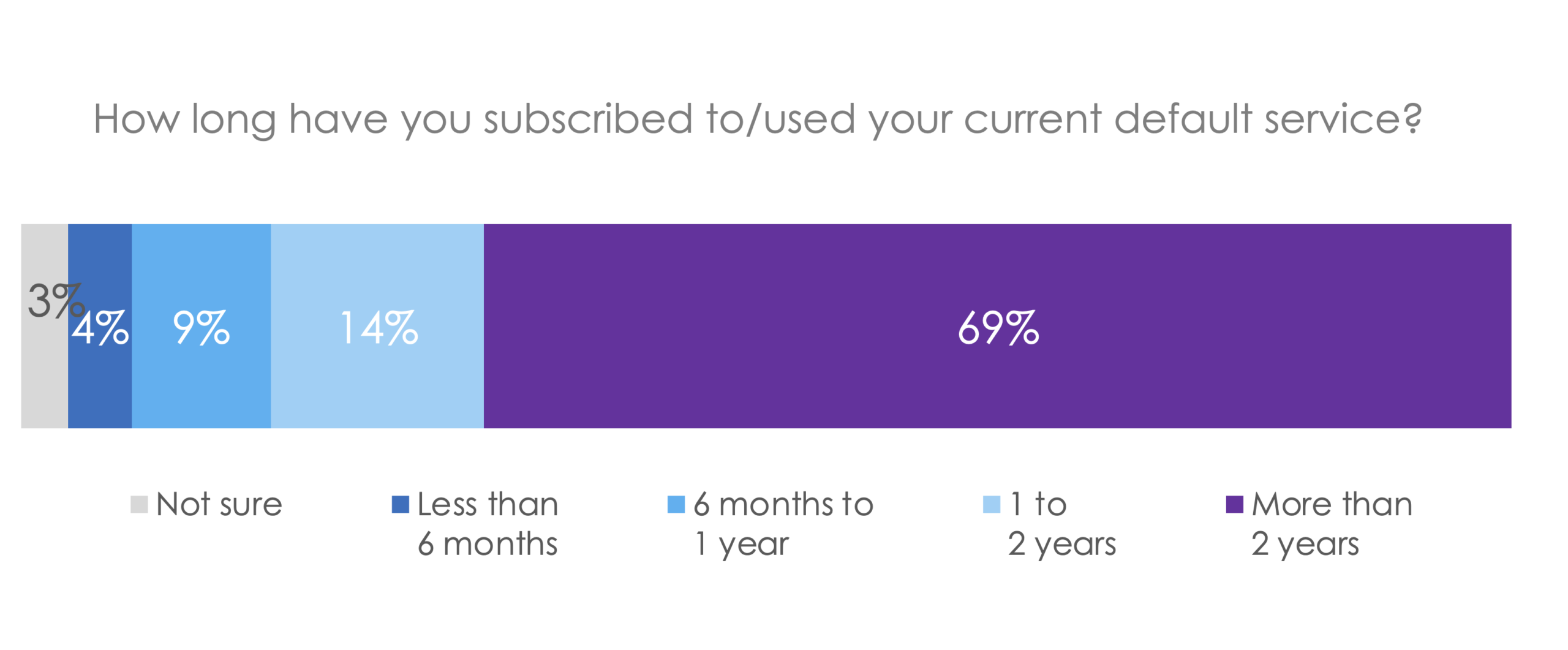
The study also found that 69% of respondents had subscribed to their current default source for more than two years.
Customization was another characteristic associated with default services. Overall, 68% of respondents said they had made their default source their own through profiles, watchlists or saved preferences. That figure increased to 79% among viewers younger than 35, compared with 62% among viewers 35 and older.
“This data illustrates why streaming’s metric of success is shifting from subscriber numbers to engagement,” said Jon Giegengack, principal at Hub Entertainment Research and one of the study’s authors.
“It also suggests the benefits that might come from combining Fox and Roku, and partnerships like Peacock and YouTube Premium, or Netflix and TF1 in Europe. These all create combined services that have more than one ‘starting point’ than either platform does by itself. And if you give viewers a compelling reason to start with your service, they will use your service more and stick around longer.”

Hub based the study on an August 2026 survey of 1,600 U.S. TV viewers ages 16 to 74 with broadband access. The sample was balanced to U.S. census demographics.

tags
Hub Entertainment Research, Jon Giegengack
categories
Featured, Market Research Reports & Industry Analysis, Streaming