

BBC staff challenge leadership over job cuts as director general outlines digital overhaul
Weekly insights on the technology, production and business decisions shaping media and broadcast. Free to access. Independent coverage. Unsubscribe anytime.
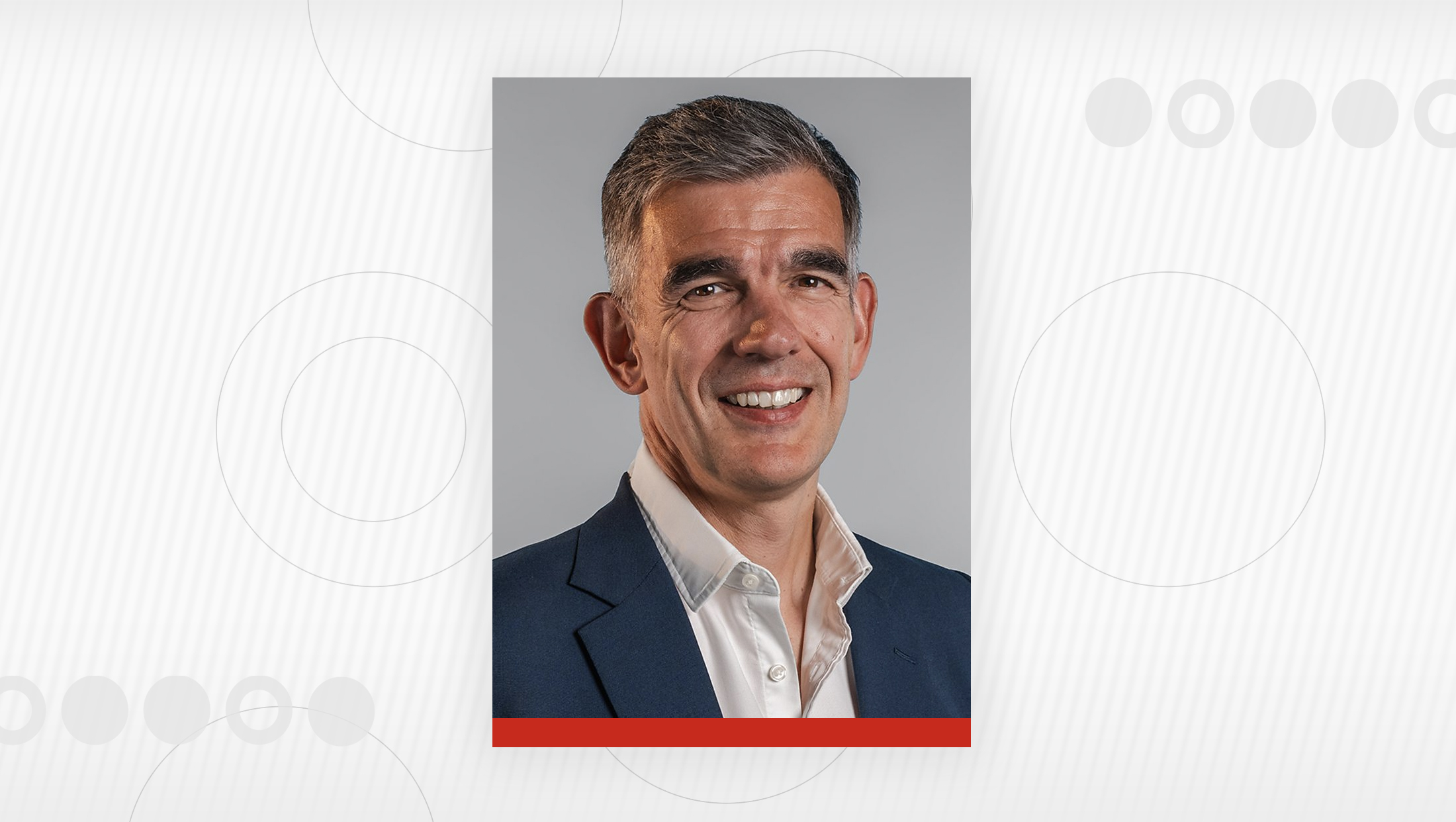
BBC Director General Matt Brittin is facing criticism from employees who say the broadcaster’s plans to eliminate as many as 2,000 jobs are disproportionately affecting frontline workers while leaving too many senior management positions intact.
The concerns emerged during an all-staff meeting in which Brittin acknowledged that the BBC would become a smaller organization but argued it could continue to expand its reach and influence through changes to its operations and digital platforms, according to a Guardian report.
The meeting also offered a preview of Brittin’s plans to modernize BBC iPlayer, including artificial intelligence-powered recommendations and closer integration with content distributed through YouTube and other streaming services.
However, much of the discussion focused on staffing reductions and growing frustration among employees over how the cuts are being implemented.
One employee described the BBC as an “incredibly top-heavy organization,” arguing that frontline employees were bearing the brunt of the reductions.
“All the ‘doers’ are getting cut,” the employee said.
Others questioned executive compensation, the handling of redundancies affecting BBC apprentices who had previously been promised jobs and the impact of prolonged uncertainty on staff morale, according to the Guardian.
“I don’t want to hear about savings when bosses get huge salaries,” another employee said.

The concerns were raised frequently enough that meeting moderator Anna Foster, a presenter on BBC Radio 4’s “Today,” pressed executives to explain whether management positions were being reduced at the same rate as more junior roles.
Deputy Director General Rhodri Talfan Davies said senior leadership would not be exempt from the restructuring.
“We are expecting changes at all levels of the organization,” Davies said. “So there isn’t a cohort of senior leaders that are excluded from this process.”
Davies suggested that some of the largest proportional reductions could ultimately occur among the BBC’s most senior employees.
Brittin also pushed back against reports of deteriorating morale, acknowledging the effects of uncertainty while maintaining that many employees remained committed to the broadcaster’s mission.
“I don’t dismiss the impact of uncertainty on everybody, but we also have a really powerful, motivated staff and I don’t think that narrative applies to everyone,” he said.
The BBC has been announcing staffing reductions in stages since the summer of 2026, with cuts affecting its news operations, local programming and technology divisions. Additional announcements are expected as the broadcaster continues addressing its financial pressures.
According to The Guardian, the BBC is also preparing to discontinue its linear BBC Three and BBC Scotland television channels as part of the cost-cutting effort.
Alongside the restructuring, Brittin is pursuing a substantial overhaul of BBC iPlayer, which he believes needs to evolve to compete more effectively with commercial streaming platforms.
During the staff meeting, executives demonstrated an AI-assisted recommendation feature called “Iggy,” designed to help viewers discover programming based on their interests.
A proposed version of iPlayer also incorporated BBC programming distributed through YouTube, including material from the BBC World Service, which has more than 2 million YouTube subscribers.


tags
BBC, BBC iPlayer, Matt Brittin, Rhodri Talfan Davies
categories
Broadcast Business News, Broadcast Industry News, Featured, Networks, Streaming