

How Olympic Broadcasting Services is capturing the sound of Milano Cortina
Weekly insights on the technology, production and business decisions shaping media and broadcast. Free to access. Independent coverage. Unsubscribe anytime.
Olympic Broadcasting Services has increased its microphone count to approximately 1,800 units for the Milano Cortina 2026 Olympic Winter Games, an addition of 200 microphones compared to Beijing 2022.
The organization has also integrated artificial intelligence tools into its audio production workflow to manage the technical demands of operating across 15 geographically dispersed venues.
“Delivering Olympic-level audio is both a privilege and a great responsibility. It means capturing every athlete’s movement, every cheer and every heartbeat with the same intensity and emotion experienced in the venue. It’s about achieving excellence that reflects the spirit of the Games,” said Nuno Duarte, OBS audio senior manager.
“Our goal is to craft an audio experience that is immersive, authentic and emotionally resonant,” Duarte said. “We aim to make viewers feel truly present, part of the Olympic moment, no matter where they are.”
Technical infrastructure and planning
OBS operates 25 audio consoles across the Milano Cortina 2026 venues, using 30 microphone models. The system architecture includes redundancy measures and real-time synchronization capabilities.
Duarte and his team conducted site visits to competition venues in November 2025 during the venue overlay phase. These visits allowed the team to assess winter weather conditions and finalize microphone placement strategies.
“More than having a good plan, communicating it in a way everyone understands it is crucial,” Duarte said.
The organization develops detailed microphone plans with technical drawings and placement instructions for each venue. These plans receive approval from relevant international sports federations before implementation.

Installation and operations
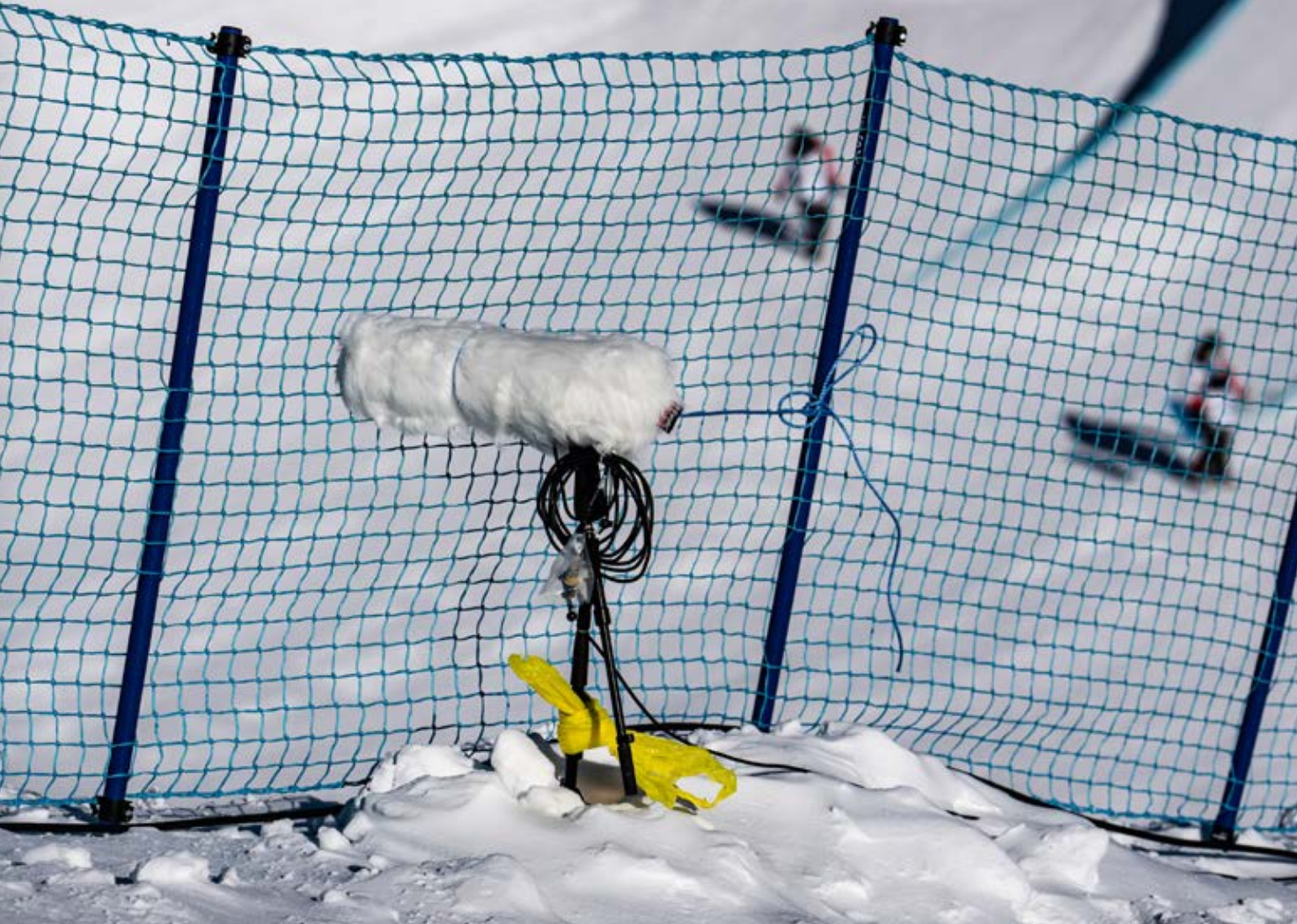
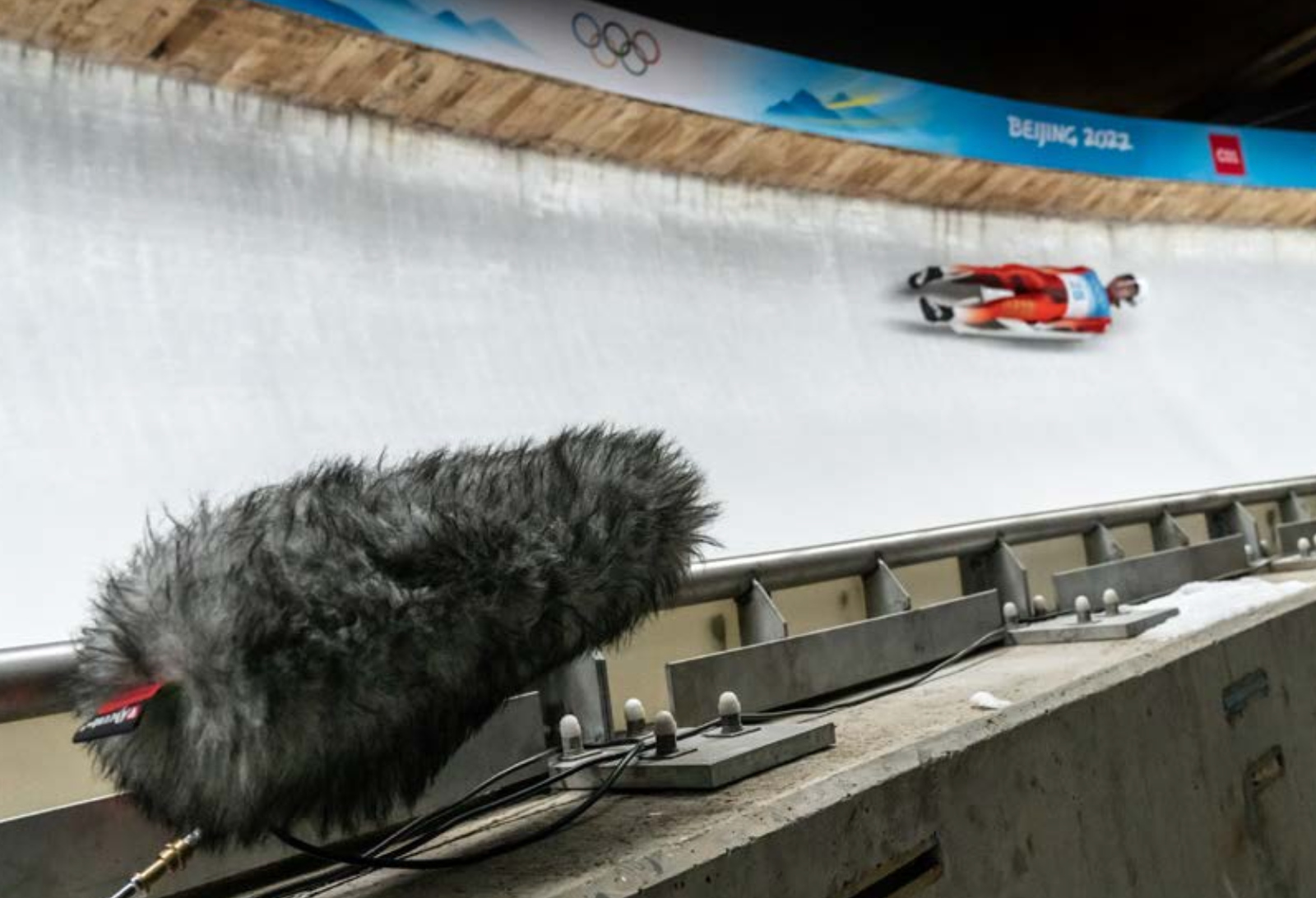
Venue audio teams typically arrive three to four days before competition begins to install microphones according to the approved plans. Each placement addresses the acoustic characteristics specific to individual sports.
During the Games, Duarte monitors audio feeds from the Audio Production Quality Control room at the International Broadcast Centre. When issues arise, he contacts venue audio teams to make adjustments.
OBS has delivered Olympic broadcasts with immersive audio formats since Paris 2024, where it used 5.1.4 audio. The organization traces its Olympic audio history to the first live radio broadcast of Olympic events in Paris in 1924.
Geographic challenges and contingency measures
Milano Cortina 2026 covers three separate regional locations, making it the most geographically dispersed Games in Olympic history. Duarte acknowledged this presents operational challenges, particularly for providing on-site technical support.
“If a team needs support, we can’t always be there physically, which means they must operate with greater autonomy,” Duarte said. “That’s why our preparation had to be even more thorough than in previous Games.”
The organization has embedded contingency measures into its core planning structure. “Everything is designed with redundancy in mind,” Duarte said. “It’s not about having a separate emergency plan – it’s about building a resilient system from the start, with additional equipment and backup solutions ready to go.”
OBS uses multiple communication channels including digital platforms, phones, intercoms and dedicated communication paths. The organization maintains separate communication setups for planning phases and Games-time operations.
AI comes for broadcast audio
OBS has integrated AI into its engineering and production operations for Milano Cortina 2026. The technology supports real-time quality control, microphone placement optimization and athlete movement tracking to enhance sound capture.
Following Paris 2024, OBS adopted AI tools and Power BI dashboards to manage inquiries across venues. “It’s about doing more with the same number of people,” Duarte said. “These tools give us the visibility and agility we need to stay ahead.”
The organization indicated that AI-driven audio applications could adapt in real time to individual sports’ dynamics in future Olympic broadcasts. OBS also plans to explore the use of discreet microphones on athletes and during victory ceremonies.
Duarte cited the audio production from Alpine skiing at the PyeongChang 2018 Olympic Winter Games as an example of effective sound capture. “In Korea, the sound of Alpine skiing was incredible,” Duarte said. “Everything was perfectly executed, thanks to a very skilled team and a setup that had to be right the first time.”

Photos courtesy of OBS

tags
2026 Winter Olympics, Audio, Audio for Broadcast Production, Microphone, OBS, Olympic Broadcasting Services
categories
Audio Mixing & Audio Consoles, Broadcast Audio, Heroes, Olympics