

At StreamTV Show, a growth story runs into its own math (and measurement)
Weekly insights on the technology, production and business decisions shaping media and broadcast. Free to access. Independent coverage. Unsubscribe anytime.
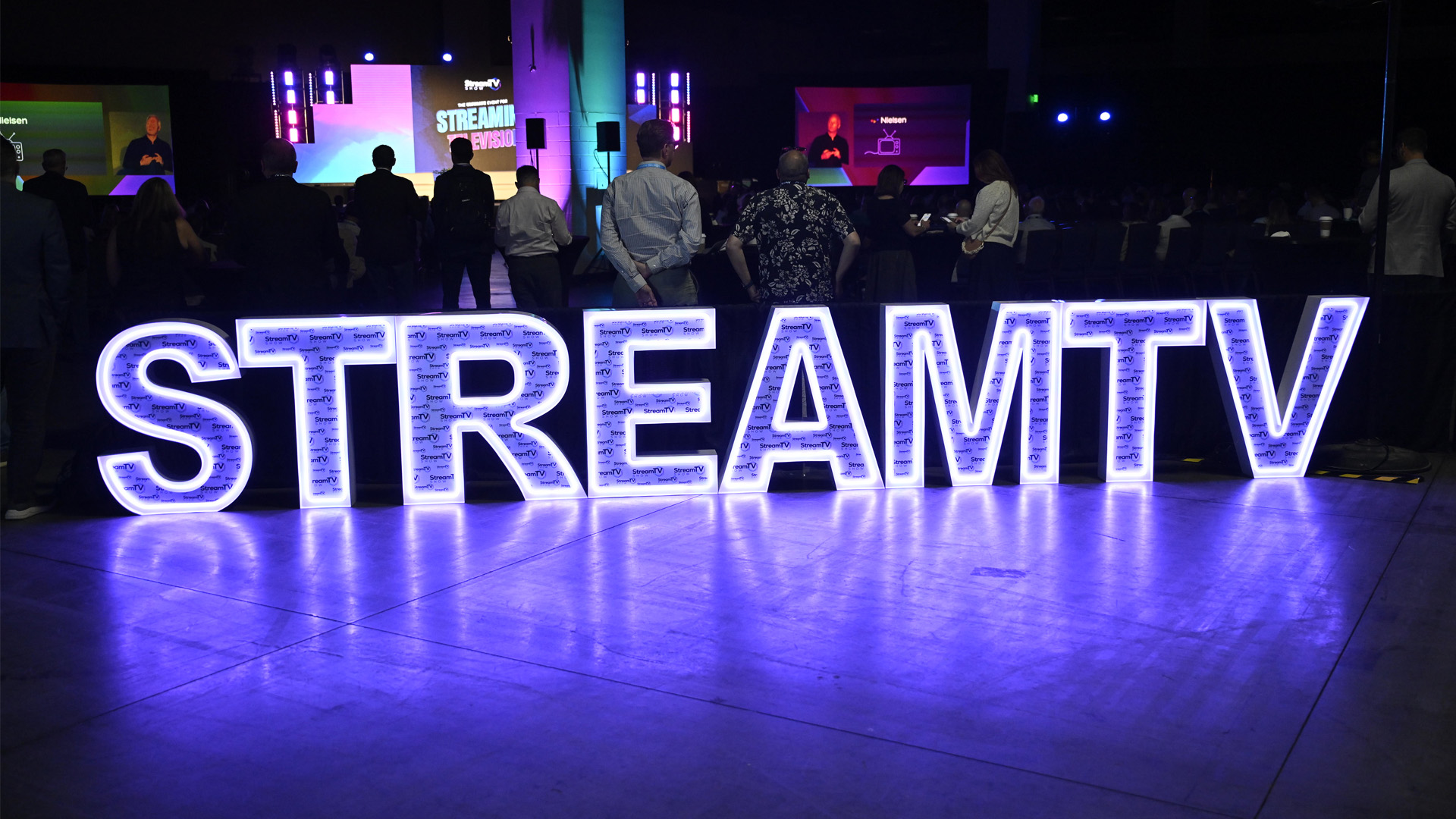
The 2026 StreamTV Show opened in Denver days after Fox Corp. agreed to buy Roku, and the timing did the organizers a favor. No keynote could have framed the week better than a $22 billion deal that attached a price tag to the exact thing everyone came to argue about: who controls the pipes, who owns the audience and who actually gets paid.
For a few years now, the industry buzz has basically been: Audiences are growing. Free ad-supported streaming television, or FAST, is growing faster. Connected TV is where the advertising money is moving. All of that was true again this year.
What felt different in Denver was the undertone. Beneath the growth charts, panel after panel circled the same uncomfortable question: now that the audience has arrived, why is it still so hard to make the business work?
A deal that set the tone
Start with the transaction that hung over the show. Fox agreed to acquire Roku for $160 a share, valuing the company at roughly $22 billion, in a combination of cash and Fox Class A stock, the companies said June 15. The combined business would rank among the largest streaming operations in the United States, pairing Fox’s news, sports and the Tubi service with Roku’s platform and its direct relationship with more than 100 million global streaming households.
“This is a defining moment for Fox, and a natural extension of the deliberate and focused strategy we have been executing for nearly a decade,” said Lachlan Murdoch, executive chair and CEO of Fox, in a statement announcing the deal.
Defining for Fox, certainly.
The more useful question for everyone else is what it signals. A content company paid a premium to own a distribution platform and, with it, the first-party data and the home screen. That is the whole argument of the conference compressed into one transaction. Distribution and data, not a content library on its own, are where the leverage now sits.
If consolidation was already coming to FAST, and several speakers said it was, the Fox-Roku deal made the direction harder to wave away. The platform layer is likely to keep flattening, and content owners will keep looking for ways to avoid being squeezed by the shrinking number of companies that own the screen. The transaction is expected to close in the first half of 2027.

Content can no longer just exist
That pressure produced the clearest through line of the week. Owning content is no longer enough. It has to do more work, appear in more places and be monetized in ways the old cable bundle never required.
The most concrete version of that idea came from the contextual advertising panel, where executives described matching ads to a viewer’s mood and intent rather than to a tracked identity.
Scott Rossman, VP of product marketing at Warner Bros. Discovery, said the company has been analyzing its catalog, scene by scene, to identify advertising opportunities below the genre level.
“We’ve been selling genre forever,” Rossman said. “But now we’re going levels deeper.”
He offered a deadpan example of how granular the metadata can get. The system can flag a toaster in a scene, he said, but there are not many toaster advertisers. The detail only matters when it is assembled into something a brand can buy, such as every beach scene across a catalog of 40,000 episodes packaged for a beverage company.
Chris Hock, VP of monetization at Whale TV, offered the line of the session, and a fair summary of where targeting is heading.
“Audience data is the IQ, and contextual data is the EQ,” he said.
The same logic showed up on the FAST economics panel, where the message was that a channel is a programming product, not a dumping ground. Trina Pepe, SVP of FAST and AVOD growth strategy at AMC Global Media, said her company treats FAST as a discovery funnel, placing first episodes of new series on free channels to move viewers toward subscription services.
Brendon Thomas, chief revenue officer of Radial Entertainment, put the discipline plainly.
“Good content’s good content when it’s programmed well and not just playlisted,” Thomas said.
The number that should worry everyone
For all the optimism, the most important figure in Denver was a small one, measured in cents. Revenue per hour, the amount a FAST channel earns for an hour of viewing, kept coming up, and it kept going in the wrong direction.
Patrick Courtney, chief business officer of Fuse Media, said the math no longer works at the bottom of the market.

“If your revenue per hour is about 5 cents, there’s no way you’re going to be able to do that,” Courtney said, referring to funding quality content. “So the monetization piece is an issue that we’ve got to fix.”
Wurl CEO Dave Bernath devoted a keynote to the same problem, calling the FAST business model structurally flawed.
He said one independent distributor watched its revenue per hour fall from 18 cents three years ago to 12 cents, then to 8 cents last year. He traced much of the gap to revenue splits that favor platforms, noting that a content owner who controlled roughly 90% of ad inventory in the cable era might control closer to 43% on FAST.
His proposed fix borrowed a comparison from software.
“The platforms really need to take a platform-level cut, like an app-store cut,” Bernath said. “It should be 70/30 to the content side.”
Whether or not that specific split is realistic, the underlying complaint is hard to dismiss. A business cannot grow its way out of economics that get worse with every additional hour of viewing. Audience growth has been masking the problem, not solving it.
Still shopping for a currency
The second structural gap was measurement. Speakers across multiple sessions returned to the absence of a consistent currency, a shared way to count and value audiences across platforms, and the perception problems that absence creates.
A session devoted to FAST measurement laid the gap out plainly.
Brian Fuhrer, senior vice president of product strategy and thought leadership at Nielsen, said the company measures FAST at the platform level and is still working toward channel and program detail.
“It’s kind of a blunt force instrument. I want to be honest about that,” Fuhrer said.

For distributors, the harder problem is assembling a clear picture from platforms that each count differently. James Ross, CEO of Lightning International, which distributes about 20 FAST channels, said his team pulls figures from 25 to 30 platforms through separate portals, none of them aligned.
“It’s pretty tough to put that information together from the different portals that we have,” Ross said.
Until buyers and sellers count the same way, FAST keeps fighting a reputation it can document privately but not prove in public.
What Denver was really about
One competitor in the room could not be bought or programmed around.
YouTube opened the show touting its move into the living room and a creator base in the millions, and Bernath closed his keynote with a YouTube executive shrugging off a $2 billion figure to license premium content. The platform that started with clips is now part of the premium conversation, which sharpens every economic question above.
The encouraging read is that the industry is finally arguing about the right things.
Reach is no longer the hard part. The hard part is the plumbing: a common currency, fair revenue splits, shared data and discovery that goes beyond the channel grid. The Fox-Roku deal will dominate the headlines from Denver, but the quieter consensus underneath it may matter more.
That consensus had a fitting host.
The StreamTV Show drew about 2,000 attendees and roughly doubled its show floor from a year earlier, and organizers expect to stage three events in 2027, including a return to Lisbon and the show’s second international edition, in Hong Kong.
The expansion mirrors the business it covers, and the room carried more energy than most events still trying to reinvent themselves. The difference in Denver was the willingness to look past the growth and name the harder problems beneath it. Growth, after all, was always going to be the easy part.

tags
AMC Global Media, Audience Measurement, Brian Fuhrer, Dave Bernath, Fox Corp., Free Ad-Supported Streaming Television (FAST), Fuse Media, James Ross, Lightning International, Nielsen, Patrick Courtney, roku, Scott Rossman, streaming, StreamTV Show, Trina Pepe, Warner Bros. Discovery, Wurl
categories
Broadcast Business News, Heroes, Streaming