

Henry Siegel, television syndication pioneer behind ‘Baywatch’ and ‘Family Feud,’ dies at 85
Weekly insights on the technology, production and business decisions shaping media and broadcast. Free to access. Independent coverage. Unsubscribe anytime.
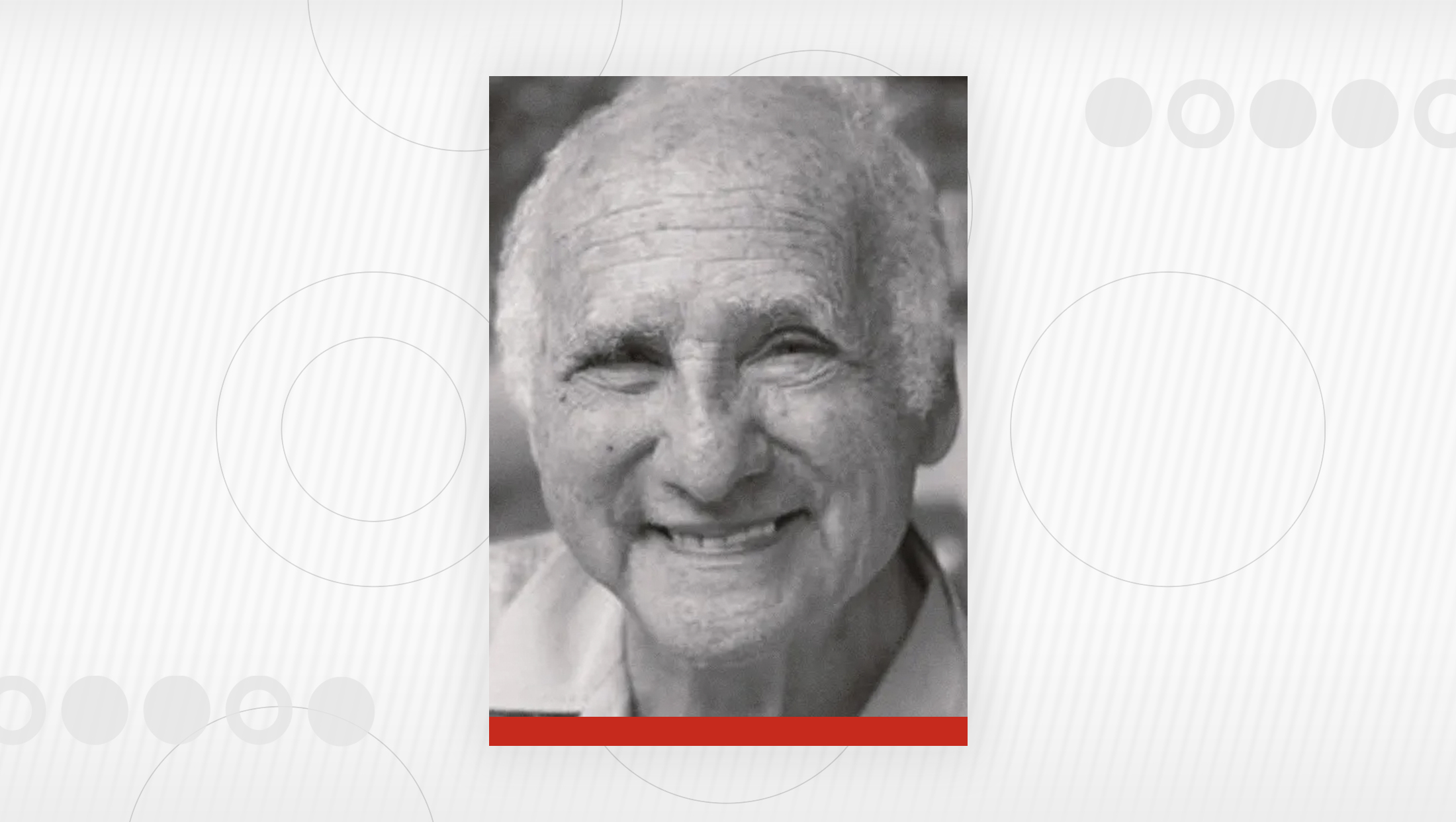
Henry Siegel, a television executive who helped establish barter syndication as a major programming and advertising model and whose companies distributed programs including “Baywatch” and “Family Feud” died Monday, Oct. 12, 2026. He was 85.
Siegel died at his home in Newtown, Connecticut, his son Brian Siegel confirmed to The Hollywood Reporter. A cause of death was not disclosed.
Over a career spanning more than four decades, Siegel helped change how television programs were financed and distributed to local stations, developing business arrangements that gave advertisers a direct role in supporting syndicated programming.
He was best known for founding Lexington Broadcast Services in 1976, which later became LBS Communications and grew into a major distributor of syndicated television programming.
Siegel was an early proponent of barter syndication, a business model in which television stations receive programming at little or no direct cost in exchange for allowing the distributor to sell a portion of the commercial time.
The arrangement allowed program distributors to generate revenue from national advertisers while local stations retained advertising inventory they could sell in their own markets.
Barter syndication became an important part of the television business, particularly for independent stations and broadcasters seeking programming outside the traditional network system.
Siegel’s work in developing the model earned him recognition from Advertising Age, which named him among 50 pioneers of television’s first 50 years.

Born in Elizabeth, New Jersey, in 1941, Siegel graduated from Brandeis University in 1963 with a degree in economics.
He began his professional career at Grey Advertising in New York City, New York, where he spent approximately 12 years working in media buying and advertising operations. He eventually became a senior vice president overseeing the agency’s media activities.
In 1976, he established Lexington Broadcast Services, applying his advertising experience to the growing market for nationally syndicated television programming.
Working with his twin brother, Paul Siegel, he developed LBS into a production and distribution business associated with several successful television franchises.
The company’s programming portfolio included “Fame,” “Family Feud” and “Baywatch,” along with children’s properties such as “Care Bears,” “Strawberry Shortcake,” “Inspector Gadget” and “He-Man and the Masters of the Universe.”
The brothers also became involved in producing and distributing major television events.
Their projects included the inaugural MTV Video Music Awards in 1984 and ESPN’s first ESPY Awards in 1993, both of which developed into recurring events for their respective networks.
Another notable production was “Return to the Titanic,” a 1987 syndicated television special that followed the recovery and opening of a safe from the wreckage of the Titanic.
The two-hour broadcast reportedly attracted more than 50 million viewers, demonstrating the audience potential of nationally distributed television specials outside conventional network programming.
In 1988, Siegel and investment firm Warburg Pincus acquired Grey Advertising’s ownership interest in LBS.
Siegel continued working in television production and distribution after his time at LBS. In 1994, he and his brother founded Seagull Entertainment, another company focused on developing and distributing programming.
Seagull subsequently merged with Kaleidoscope Entertainment and Sports in 1996 to form Kaleidoscope Media Group.
Siegel served as chairman and chief executive officer of the combined company, guiding it through a public stock offering in 1997.
Kaleidoscope’s operations included sports programming and event production. In 1998, the company sold its sports business to the Interpublic Group of Companies after developing a joint venture with General Motors.
Siegel later expanded his involvement in sports media, including professional boxing. In 2001, he and his brother invested in fighters promoted by Banner Promotions and became involved in producing boxing events for ESPN.
That same year, Siegel helped his father-in-law, longtime New York sportscaster Bill “the Amazin'” Mazer, move his sports talk radio program to stations operated by Whitney Broadcasting in Westchester County, New York. Siegel also assisted with marketing the weekday program.
According to his family, he spent considerable time watching PBS Kids programming with his grandchildren, often persuading them to watch Yankees games with him in return.
Siegel is survived by his wife, Fran; his children, Brian, Leigh, Mickey and Scott; his stepdaughter, Nadja; and his brothers, Paul and Aryeh.

tags
Deaths, Henry Siegel, Obituaries
categories
Broadcast Business News, Broadcast Industry News, Featured, People, Syndication